
Ahoy Crew,
If you’ve ever looked at a map of Scotland, you may have noticed something interesting: there are lots of long, narrow blue shapes cutting through the green hills. These aren’t lakes — at least not in Scotland. They’re lochs (pronounced “locks”), and they’re full of stories, wildlife, and mystery.
But what is a loch exactly?
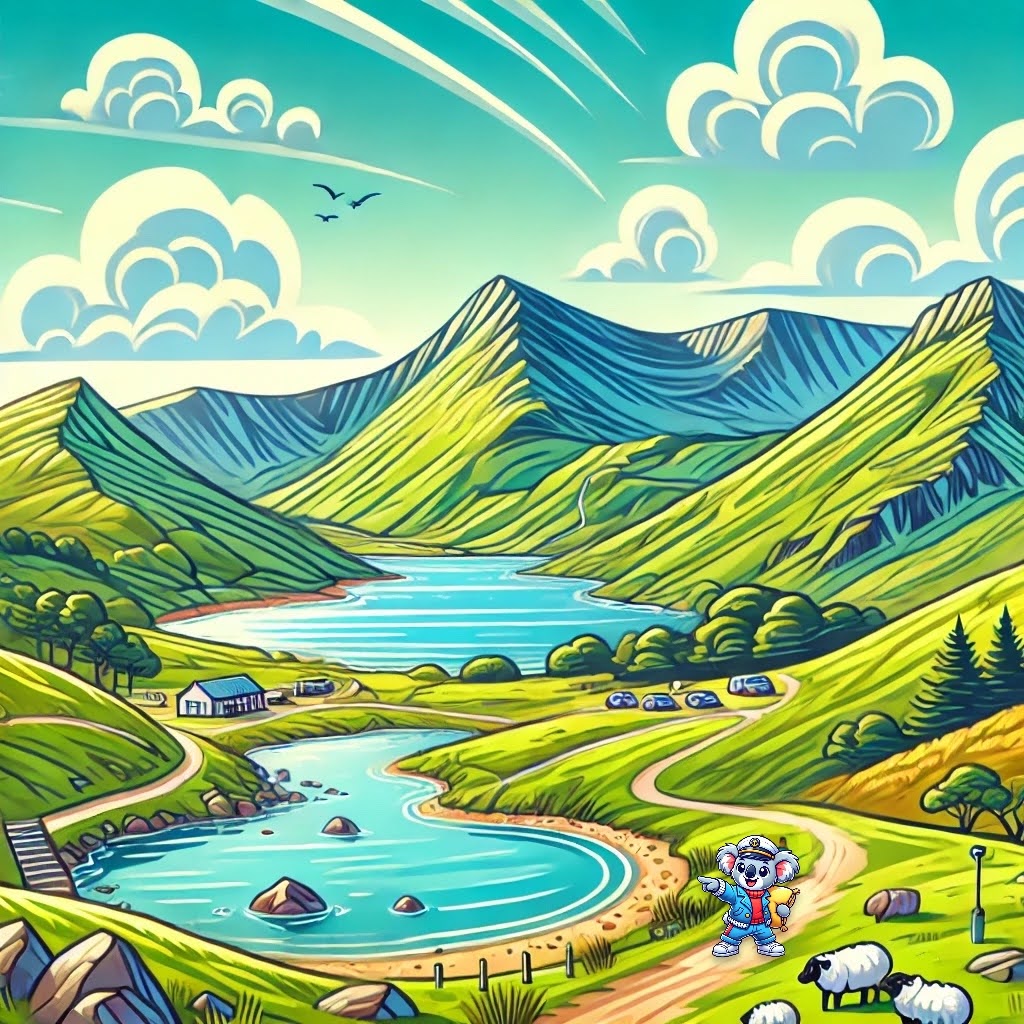
🌊 Loch = Lake (Sort Of!)
In the Scottish Gaelic language, the word loch simply means “lake” or “sea inlet.” So when you hear someone talking about Loch Ness or Loch Lomond, they’re talking about large bodies of water—just like lakes—but with a Scottish twist.
Some lochs are freshwater (like Loch Ness), while others are saltwater or connected to the sea (like Loch Fyne). They can be enormous or tiny, shallow or incredibly deep. What makes them special is how they were formed…
🏔️ How Do Lochs Form?
Most of Scotland’s lochs were shaped thousands of years ago by glaciers during the last Ice Age.
Here’s how:
- Giant glaciers slowly moved across the land, carving deep valleys.
- When the ice melted, these valleys filled with water from rain, rivers, or the sea.
- The result? Long, narrow, deep stretches of water that snake between Scotland’s hills.
Lochs are often nestled in dramatic landscapes with steep slopes and misty skies, which gives them a wild, magical feel.
🐉 Famous Lochs (And Their Legends)
- Loch Ness – Scotland’s most legendary loch, famous for the mythical Loch Ness Monster, or “Nessie.” It’s over 230 meters (755 feet) deep, and so wide it looks like the sea!
- Loch Lomond – The largest loch by surface area. Families love it for hiking, boating, and camping along its beautiful shores.
- Loch Tay, Loch Maree, Loch Awe – Each one has its own special character, wildlife, and sometimes… ghost stories!
🦆 What Lives in a Loch?
Lochs are home to all sorts of animals, like:
- 🐟 Trout, salmon, and even freshwater eels
- 🦆 Ducks, swans, and herons
- 🦫 Beavers (in some parts!)
- 🦌 Deer and otters along the banks
And of course, according to legend… the occasional sea serpent or water spirit!
Lochs are also important habitats for endangered species, and many are protected by conservation laws.
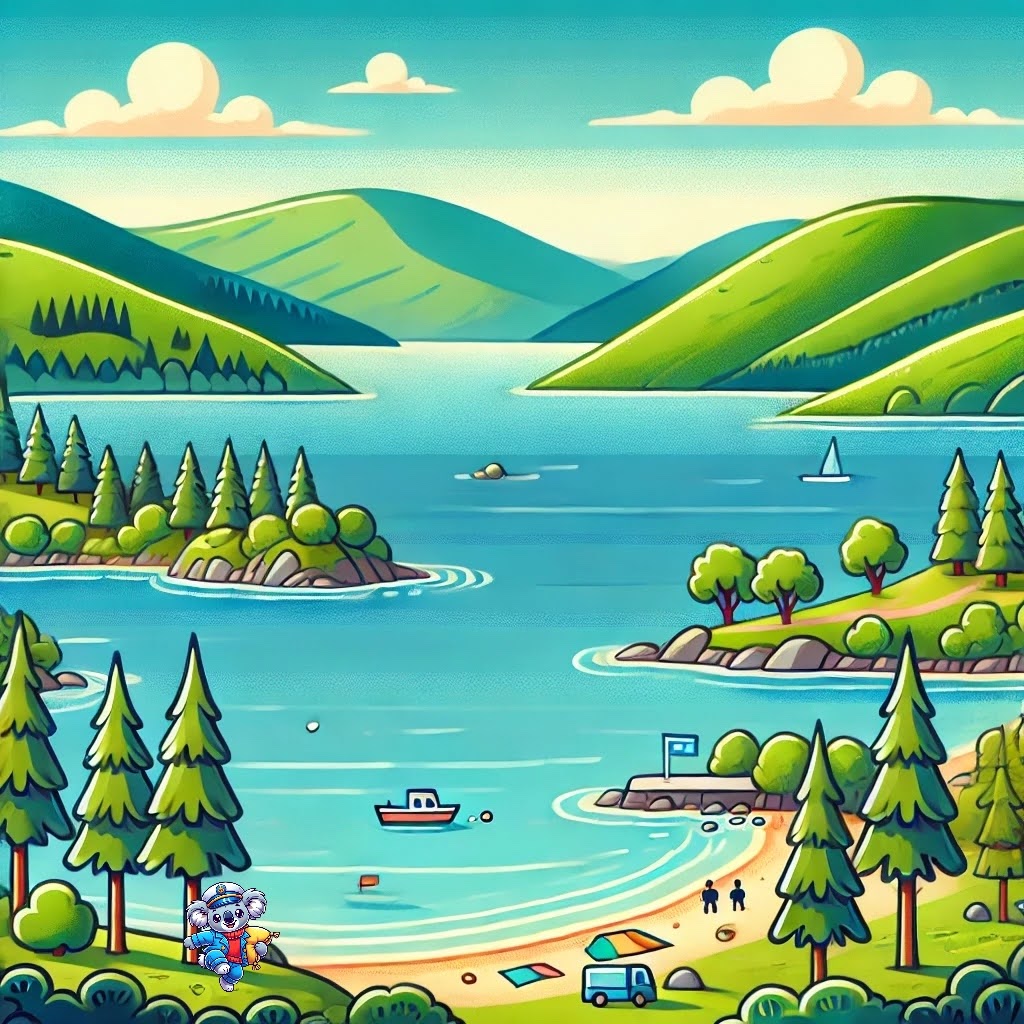
🎒 What Can Kids Learn From Lochs?
Lochs are perfect places to spark curiosity. Whether you’re reading about them, visiting one, or just looking at pictures, lochs can teach us about:
- Geography: How water shapes the land
- Ecology: Animals and plants that live in and around freshwater
- Folklore: Why people tell stories about monsters and spirits
- Conservation: How we can protect these wild, beautiful places
And maybe most importantly: lochs invite us to wonder. What’s beneath the surface? Who lived near them long ago? What’s the weather like in that misty valley today?
🌍 A Quick Comparison
| Word | Language | Meaning |
| Loch | Scottish Gaelic | Lake / sea inlet |
| Lake | English | Large inland body of water |
| Fjord | Norwegian | Narrow sea inlet, often in cliffs |
| Lough | Irish | Irish version of loch |
| Lagoon | Latin/Italian | Shallow water near the sea |
🧭 Travel Tip: How Many Lochs Are in Scotland?
Would you believe there are over 30,000 lochs in Scotland? Some are huge and famous. Others are hidden gems that only hikers and curious wanderers find. No matter the size, each one holds a little piece of Scottish magic.
See you tomorrow!
– Captain PillowBelly

 Captain Pillowbelly's Adventures