
Part 1 of 3: What’s Really Going On at Night?
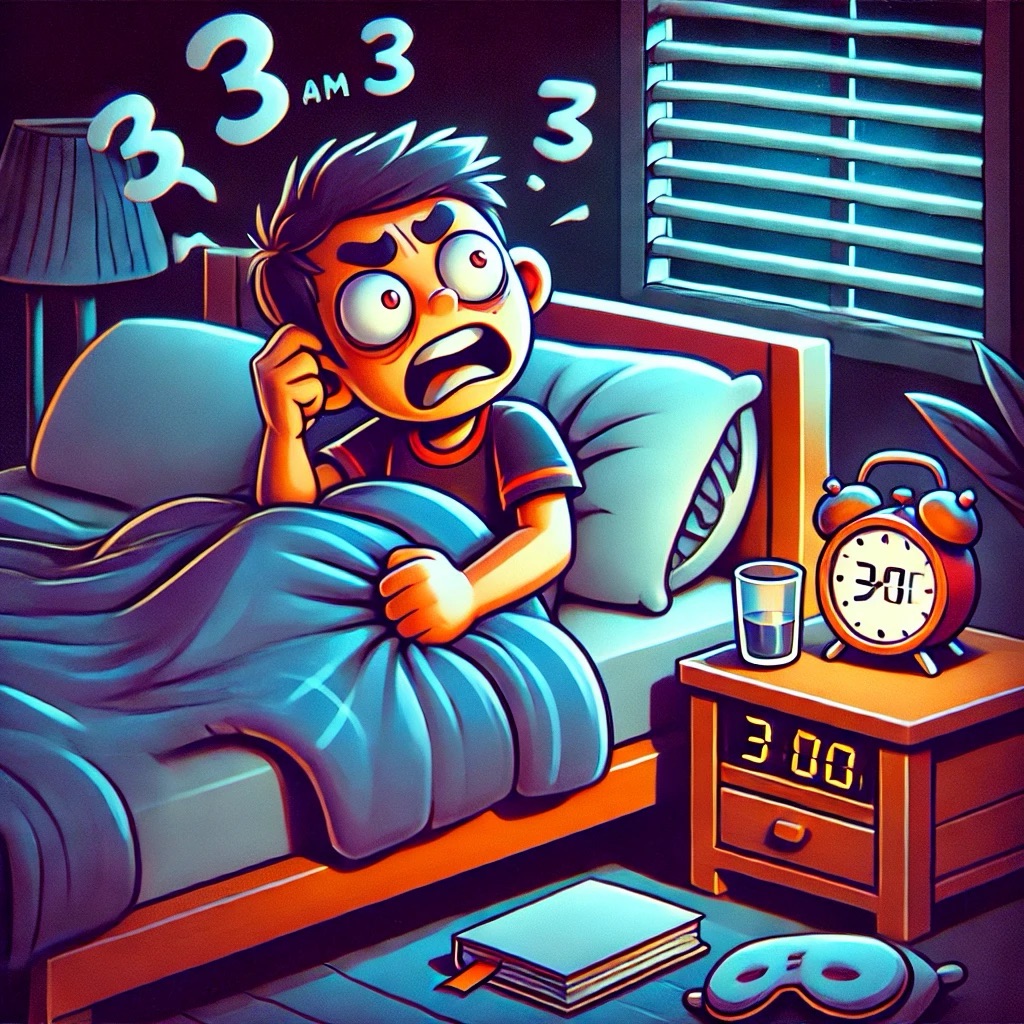
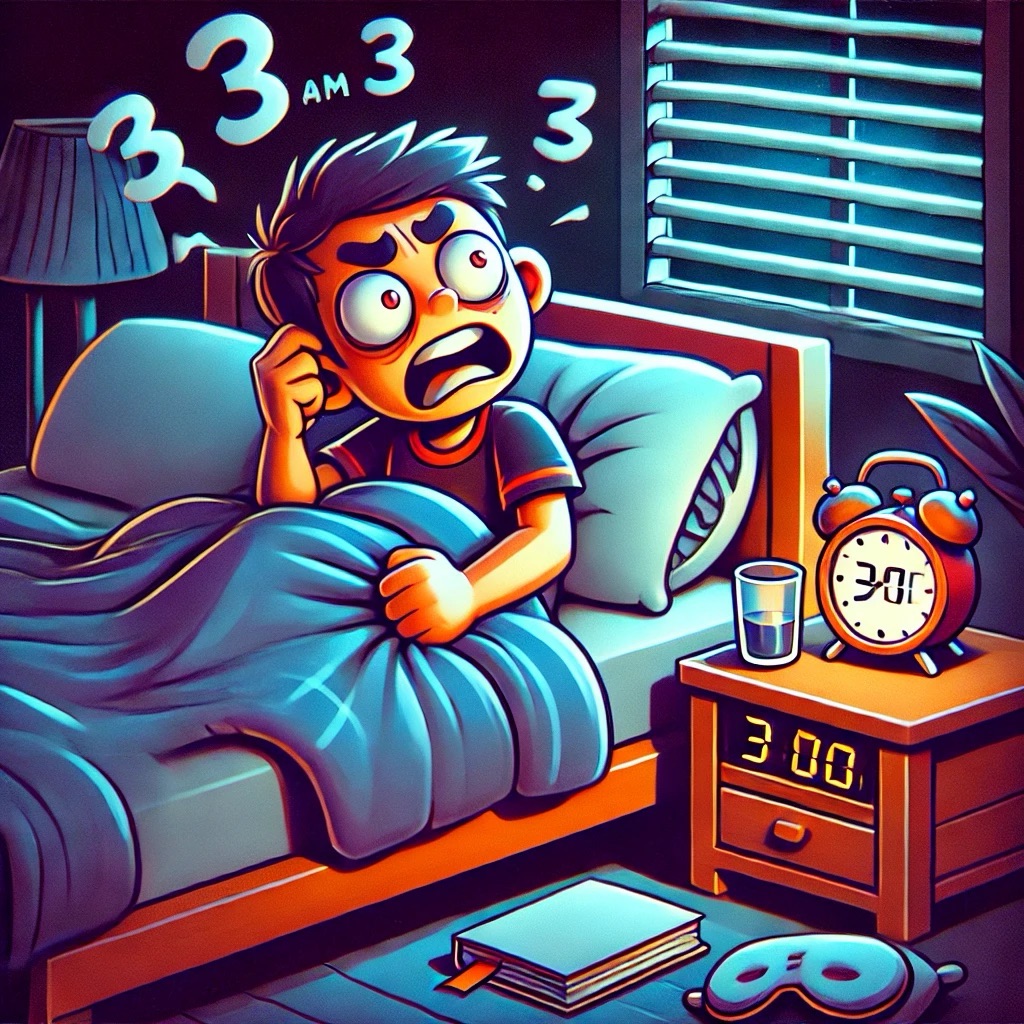
We all know how important sleep is—but that doesn’t make it any easier to get a good night’s rest. Whether you’re struggling to fall asleep, waking up in the middle of the night, or feeling exhausted even after hours in bed, you’re not alone. Sleep disorders are incredibly common, and they come in many forms. But before we can find solutions, we need to understand why sleep sometimes feels so out of reach.
In this first part of our blog series, we’ll explore how sleep patterns work, what affects them, and why sleep challenges are more than just “bad habits.”
What Are Sleep Patterns, Really?
Sleep isn’t just about closing your eyes and waking up eight hours later. Our bodies go through natural cycles during the night, shifting between different stages of sleep:
• Light sleep (where you can still be easily woken)
• Deep sleep (the body’s time to restore and recover)
• REM sleep (where most dreaming happens and your brain processes emotions and memories)
These stages cycle every 90–120 minutes, and we usually go through several full cycles in one night. When these cycles are disrupted—by stress, noise, physical discomfort, or mental health issues—our sleep becomes fragmented and less restorative.
Why Sleep Disorders Happen
There’s no one-size-fits-all cause for sleep disturbances. For some, it’s a racing mind that refuses to slow down. For others, it’s physical tension, lifestyle habits, or even environmental factors like noise or light. Here are a few common culprits:
• Stress and anxiety: Worrying about work, parenting, health, or even the fact that you’re not sleeping well can keep your nervous system alert when it should be winding down.
• Irregular routines: Inconsistent bedtimes, screen time before bed, or late-night snacks can throw off your body’s internal clock (also called the circadian rhythm).
• Overstimulation: Constant access to digital devices, social media, and a non-stop flow of information can keep our minds in “day mode” long after the sun has gone down.
• Underlying health issues: Conditions like insomnia, sleep apnea, or restless leg syndrome can affect your ability to sleep well—sometimes without you even realizing it.
• Parenting and caregiving: For many of us (especially parents), nighttime isn’t just about rest—it’s also when children wake up, need comfort, or have their own sleep challenges. It’s no surprise that broken sleep becomes the norm.
Understanding Your Sleep Is the First Step to Improving It
Before jumping into solutions, it helps to simply observe your sleep habits and patterns without judgment. Ask yourself:
• What time do I usually go to bed and wake up?
• Do I feel rested when I wake, or still tired?
• Do I wake up in the middle of the night? If so, when and why?
• What do I do before bed—am I on my phone, watching TV, or winding down slowly?
• How does stress affect my sleep?
Keeping a sleep journal for a few nights—even just jotting down a few notes each morning—can help uncover patterns and triggers that might be getting in your way.
The Takeaway for Today
Sleep disorders are rarely solved with a simple “go to bed earlier” or “try to relax.” Our bodies and minds are complex, and so is our sleep. But understanding your own patterns—without blame or pressure—is a powerful first step.
In Part 2, we’ll explore how to personalize your sleep strategy, build a nighttime routine that works for you, and reduce the mental blocks that keep you awake.
Until then, be gentle with yourself. Sleep is not a competition, and you’re not failing if you haven’t figured it out yet.

 Captain Pillowbelly's Adventures