
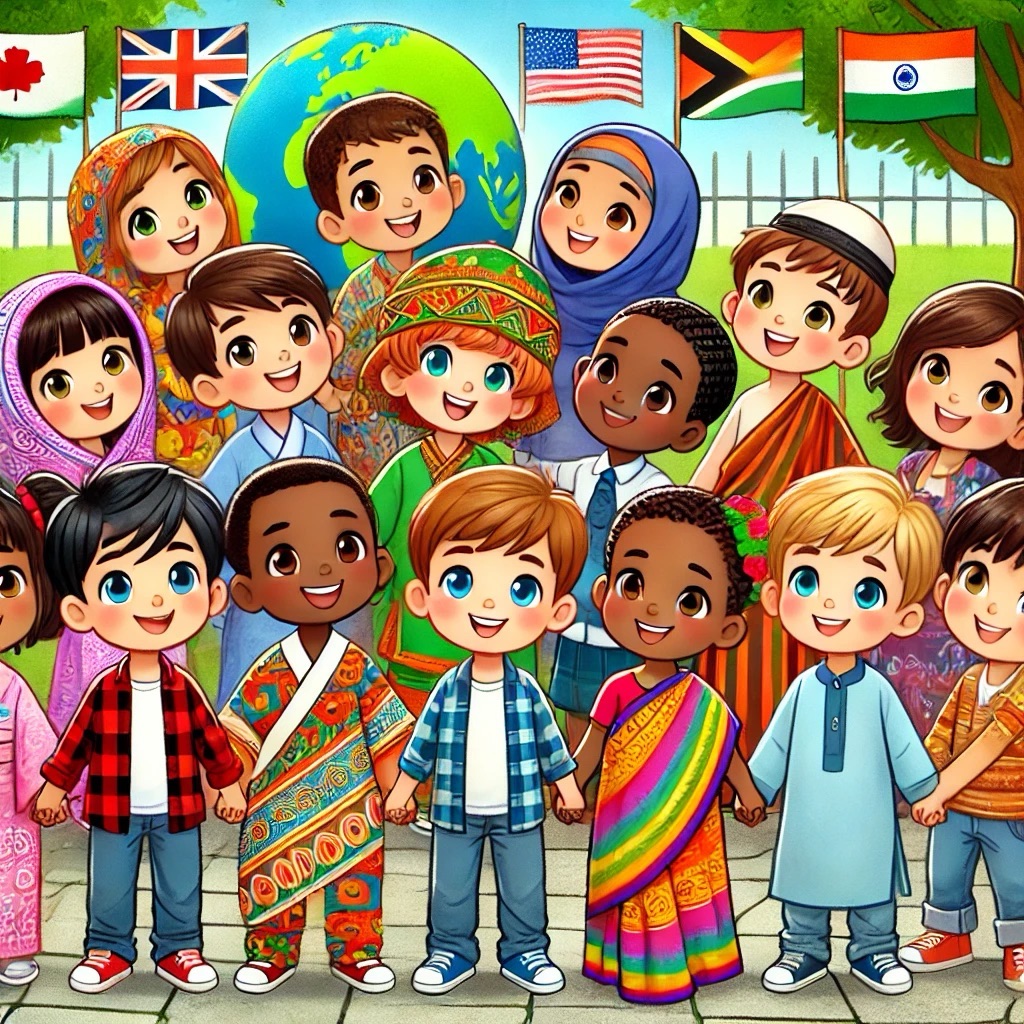
In a world that’s more connected than ever, raising children to be culturally aware and curious about differences is no longer just a nice idea—it’s an essential life skill. As parents, we want our children to grow up respectful, empathetic, and open to new ideas, but achieving that starts with early exposure to other cultures. Encouraging curiosity about the world helps them embrace diversity, appreciate the richness of other traditions, and develop empathy for those who may seem different from them.
That’s why The Adventures of Captain PillowBelly was designed to spark excitement in children and help them explore the world—one bedtime story at a time. Through his journeys, Captain PillowBelly invites children to experience different countries, try new foods, and meet people from diverse backgrounds. By following his travels, children can cultivate curiosity, understanding, and a desire to explore the world beyond their immediate surroundings.
Why Cultural Awareness Matters for Children
Children naturally begin their lives with curiosity and wonder. They love to ask questions, learn about how things work, and explore the unknown. Teaching cultural awareness builds on this natural curiosity by showing them that differences in language, dress, food, and customs are not things to fear, but things to celebrate.
The benefits of early exposure to cultural diversity include:
Empathy and Respect: Understanding other cultures helps children develop empathy and learn to respect people with different backgrounds.
Open-Mindedness: Children who are exposed to new ideas early on are less likely to grow up with prejudices or biases.
Better Communication Skills: Learning about different customs and social norms enhances a child’s ability to interact with a wide range of people.
A Sense of Adventure: Children who are curious about other cultures are more likely to enjoy exploring the world, whether through travel or conversations with people from different backgrounds.
Cultural awareness doesn’t just enrich children’s understanding of the world—it helps them navigate it with kindness and confidence.
Captain PillowBelly: A Gateway to Global Curiosity
At the heart of The Adventures of Captain PillowBelly is the idea that storytelling can be a powerful tool to inspire curiosity about the world. As Captain PillowBelly sails the globe on his boat, Beluga, children join him on exciting adventures to places like Mauritius, Japan, Italy, and beyond. Along the way, they learn about local traditions, try (at least in their imagination!) different foods, and meet children from diverse backgrounds who share their daily lives and cultural experiences.
Through Captain PillowBelly’s travels, children encounter:
Local Greetings: Each story introduces a simple greeting in the language of the country Captain PillowBelly is visiting, making it fun for kids to say “hello” in new ways.
Traditional Foods: From sushi in Japan to fresh pasta in Italy, food is a key part of Captain PillowBelly’s adventures, encouraging kids to expand their palates and appreciate different cuisines.
Cultural Festivals and Customs: Each story weaves in local celebrations and customs, sparking curiosity about how people in different parts of the world live and celebrate.
These stories are not just bedtime entertainment—they are tools to plant the seeds of global curiosity in young minds, inspiring them to see the world as a place of adventure and discovery.
How Parents Can Encourage Cultural Awareness at Home1.
Read Books About Different Cultures
Books are a window into other worlds, and reading stories that take place in different countries is a wonderful way to expose children to new ideas. Captain PillowBelly’s adventures are a great starting point, but don’t stop there. Explore picture books, folktales, and nonfiction books that highlight diverse cultures and traditions.
2. Introduce Global Foods
Food is one of the easiest (and tastiest) ways to introduce children to different cultures. Plan family meals inspired by dishes from other countries. Let your kids help in the kitchen, teaching them not only about the food itself but also its cultural significance. You could try making sushi, French crêpes, or Indian curry together.
3. Celebrate Cultural Holidays
Participating in or learning about international holidays and celebrations—like Chinese New Year, Diwali, or Day of the Dead—helps children see the world beyond their own traditions. You don’t need to celebrate every holiday, but teaching kids the “why” behind different celebrations can help them appreciate the diversity of human experiences.
4. Connect with People from Different Backgrounds
Whether through school, community events, or travel, encourage your children to meet and interact with people from different cultural backgrounds. Having conversations with friends or neighbors who have different traditions can broaden their perspective.
5. Travel (Physically or Virtually)
Nothing beats hands-on experience, and traveling as a family can be an incredible opportunity for cultural learning. But even if travel isn’t possible, you can still “travel” through documentaries, virtual museum tours, or family activities inspired by different destinations.
6. Teach Respect Through Everyday Actions
Model respect for cultural differences in everyday interactions. When your child asks questions about why someone dresses, speaks, or eats differently, answer with curiosity and kindness. Explain that differences are what make the world interesting and beautiful.
The Role of Curiosity in Building a Better Future
Encouraging cultural awareness is more than just teaching children about other people—it’s about helping them become compassionate, open-minded adults who can contribute positively to society. Children who understand and embrace diversity are better equipped to navigate an increasingly interconnected world. They grow up to be individuals who listen, empathize, and celebrate the richness of human experiences.
Captain PillowBelly’s adventures are just the beginning. As parents, you have the power to turn those stories into real-life lessons by creating opportunities for your children to engage with the world around them. Every new dish they try, every foreign word they learn, and every new friend they make brings them closer to becoming global citizens.
So, the next time your child asks, “Where is Captain PillowBelly off to next?” let that be a spark to explore a new culture together—whether through a story, a meal, or a conversation.
Together, we can raise a generation that is curious, compassionate, and ready to explore the world.

 Captain Pillowbelly's Adventures