
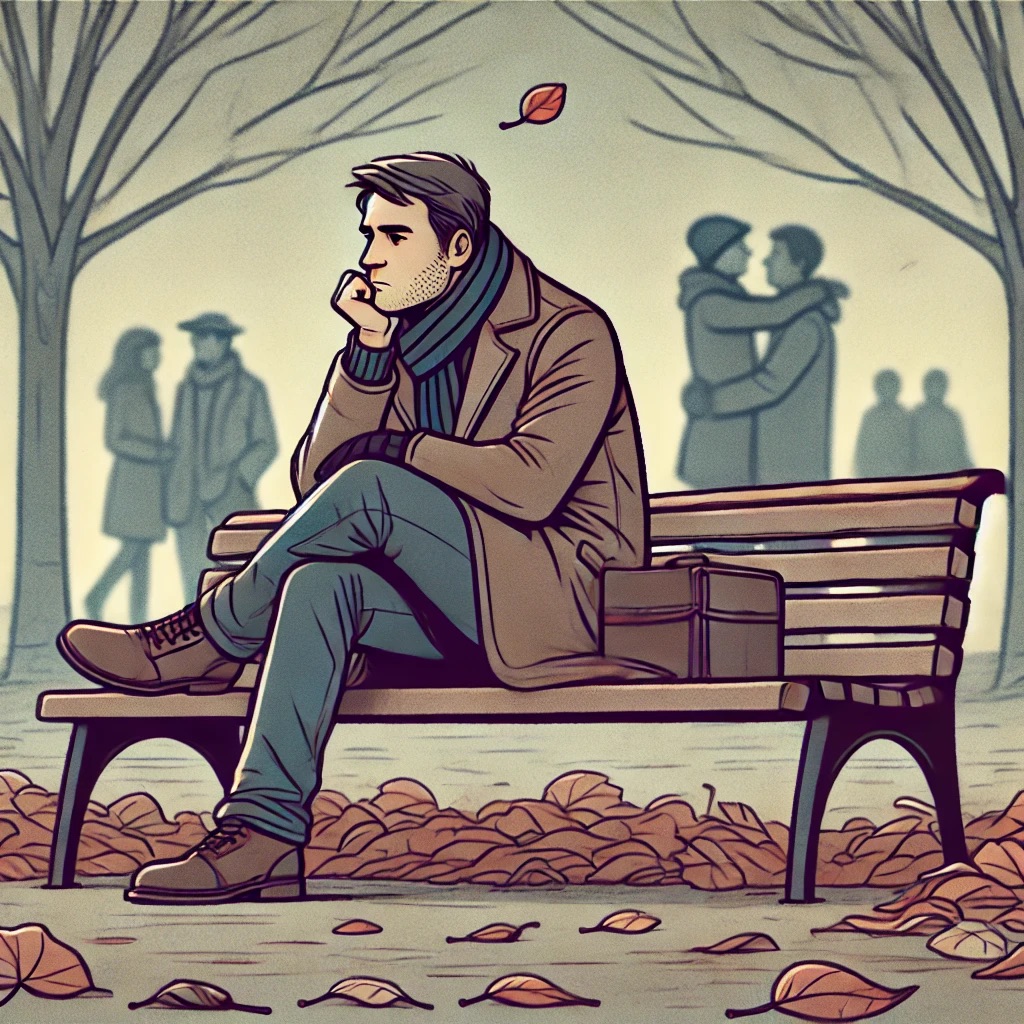
Loneliness, when left unchecked, can do more than make you feel isolated—it can seep into your emotional and mental well-being, triggering or exacerbating conditions like anxiety and depression. What begins as an occasional sense of detachment can quickly spiral into a vicious cycle where loneliness feeds negative emotions, and those emotions, in turn, deepen the sense of isolation.
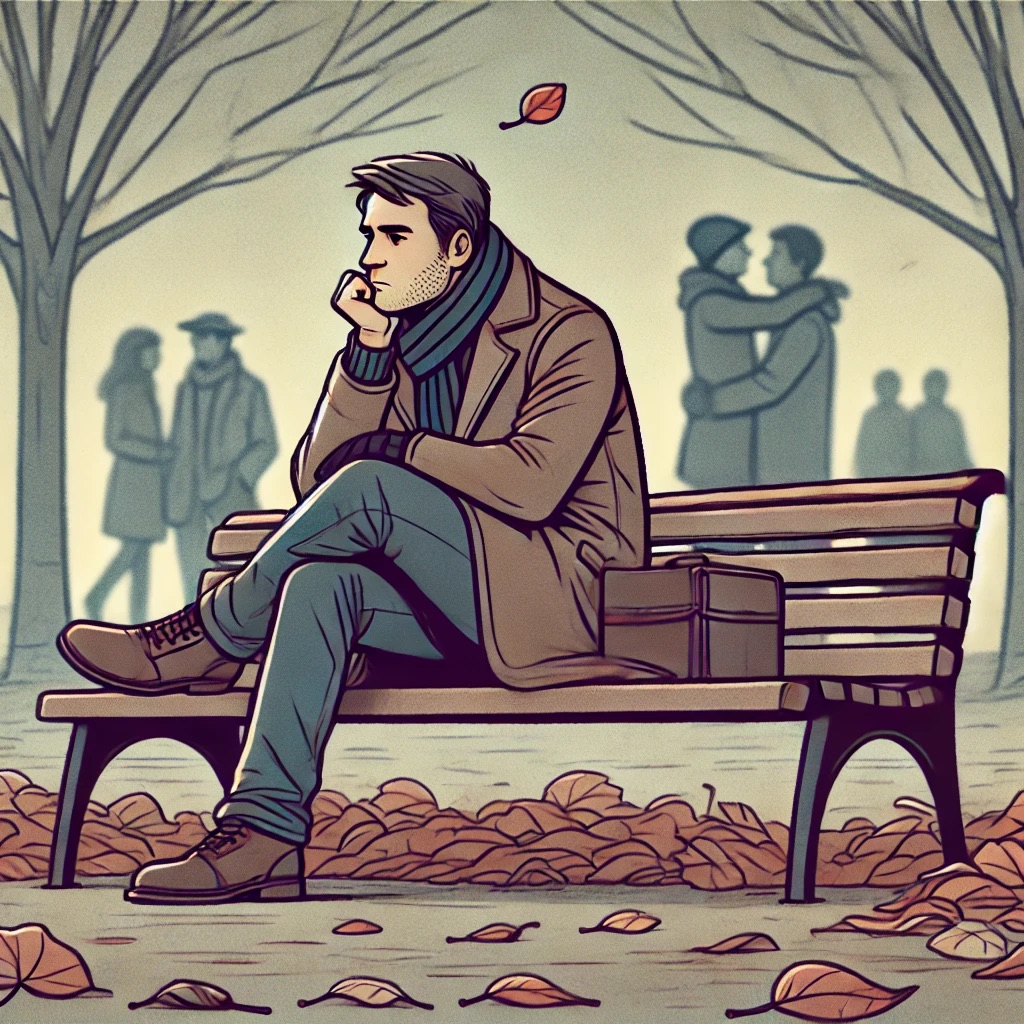
How Loneliness Evolves into Anxiety and Depression
At its core, loneliness is a signal from your brain, much like hunger or thirst, alerting you to an unmet need—connection. When that need goes unfulfilled for extended periods, the brain reacts in ways that can negatively affect your mental health. Research shows that prolonged loneliness can trigger heightened stress responses, increase cortisol levels, and disrupt sleep—all of which contribute to the onset of anxiety and depression.
Here’s how it can unfold:• Stage 1: Emotional Detachment – You may initially feel disconnected from others or misunderstood. It’s common to think this feeling is temporary, so you try to “power through” without addressing it. • Stage 2: Negative Thought Patterns – As time goes on, you may start experiencing negative self-talk, such as, “Maybe no one really cares,” or, “I don’t belong.” These thoughts can take root, making you feel unworthy of connection. • Stage 3: Anxiety and Social Withdrawal – The more disconnected you feel, the harder it becomes to reach out for help. Fear of rejection, judgment, or being a burden can make social interactions feel overwhelming, leading to avoidance. • Stage 4: Depression – Without meaningful connection, feelings of hopelessness, low energy, and sadness can intensify, trapping you in a cycle of isolation and emotional numbness.
The Vicious Circle of Loneliness
The most damaging aspect of loneliness is how it perpetuates itself. When you feel lonely, you may withdraw from social situations because of the fear of being judged or rejected. But the more you withdraw, the more isolated you become, reinforcing the belief that you are alone. Over time, this self-reinforcing cycle can feel impossible to escape.
Here’s what the cycle often looks like:1. Loneliness leads to emotional pain. 2. Emotional pain leads to negative thoughts, such as self-blame or doubt. 3. Negative thoughts lead to avoidance and withdrawal from others. 4. Withdrawal intensifies feelings of loneliness and inadequacy.
This cycle can trap individuals in a loop where they desperately crave connection but feel incapable of seeking it. The emotional exhaustion from constantly battling loneliness can lead to further deterioration in mental health, creating a downward spiral.
The Hidden Nature of the Cycle
One of the reasons this cycle is so difficult to break is that loneliness isn’t always obvious. Many people suffering from chronic loneliness may put on a brave face, excelling at work, taking care of their family, and appearing “fine” on the outside. But behind closed doors, they might feel emotionally depleted, overwhelmed, or invisible.
The stigma surrounding loneliness also plays a role. Many people hesitate to admit that they’re lonely because they perceive it as a personal failure. As a result, they suppress their emotions, hoping the feelings will pass, but this only deepens the emotional toll.
The Connection Between Loneliness, Anxiety, and Physical Health
Chronic loneliness doesn’t just affect mental well-being—it can have serious consequences on physical health as well. Studies have linked loneliness to higher risks of heart disease, weakened immune function, and even a shortened lifespan. Anxiety and depression caused by loneliness can further exacerbate physical symptoms like fatigue, chronic pain, and sleep disturbances.
This overlap between mental and physical health highlights the urgency of addressing loneliness before it becomes a long-term problem. Ignoring the issue won’t make it disappear; instead, it can lead to compounding effects that are harder to reverse.
Breaking the Cycle: Finding a Way Out
The good news is that the cycle of loneliness can be broken. While it might feel overwhelming, healing is possible with the right steps and support. Here are some strategies to help you or a loved one break free from the loop:1. Acknowledge the Feeling: The first step is recognizing and accepting that you’re feeling lonely. There’s no shame in it—loneliness is a universal human experience. 2. Challenge Negative Thoughts: Notice the self-critical thoughts that arise and question their validity. Are you really a burden to others, or is that just the loneliness speaking? Practicing positive self-talk can gradually help reframe these thoughts. 3. Start Small: Reaching out for help doesn’t have to be a grand gesture. Start by connecting with someone you trust, whether it’s a friend, family member, or therapist. Even a short conversation can be the first step toward healing. 4. Engage in Meaningful Activities: Finding activities that bring you joy or purpose can help shift your focus away from negative thoughts. This could be joining a local group, engaging in a hobby, or volunteering. 5. Seek Professional Support: If feelings of loneliness, anxiety, or depression are persistent, a mental health professional can provide the guidance and support needed to navigate these challenges. 6. Prioritize Vulnerability: Opening up about your emotions may feel uncomfortable, but vulnerability is the gateway to deeper, more meaningful connections. Be honest with yourself and others about what you’re going through.
A Final Thought: Connection is Healing
Loneliness can feel like an endless void, but it doesn’t have to define your life. Breaking the cycle requires courage, vulnerability, and patience, but the rewards—renewed hope, emotional balance, and meaningful relationships—are worth it. Remember that you’re not alone in feeling lonely, and seeking connection is not a sign of weakness but of strength.
In time, by acknowledging and addressing the loneliness within, you can create a path to healing and a life where connection, joy, and fulfillment are once again possible.
If you or someone you know is struggling with loneliness or its impact on mental health, consider reaching out to a trusted professional or support group. There is always help available, and no one has to navigate this journey alone.
Stay tuned for more insights on emotional well-being, healing, and reclaiming inner peace.

 Captain Pillowbelly's Adventures