
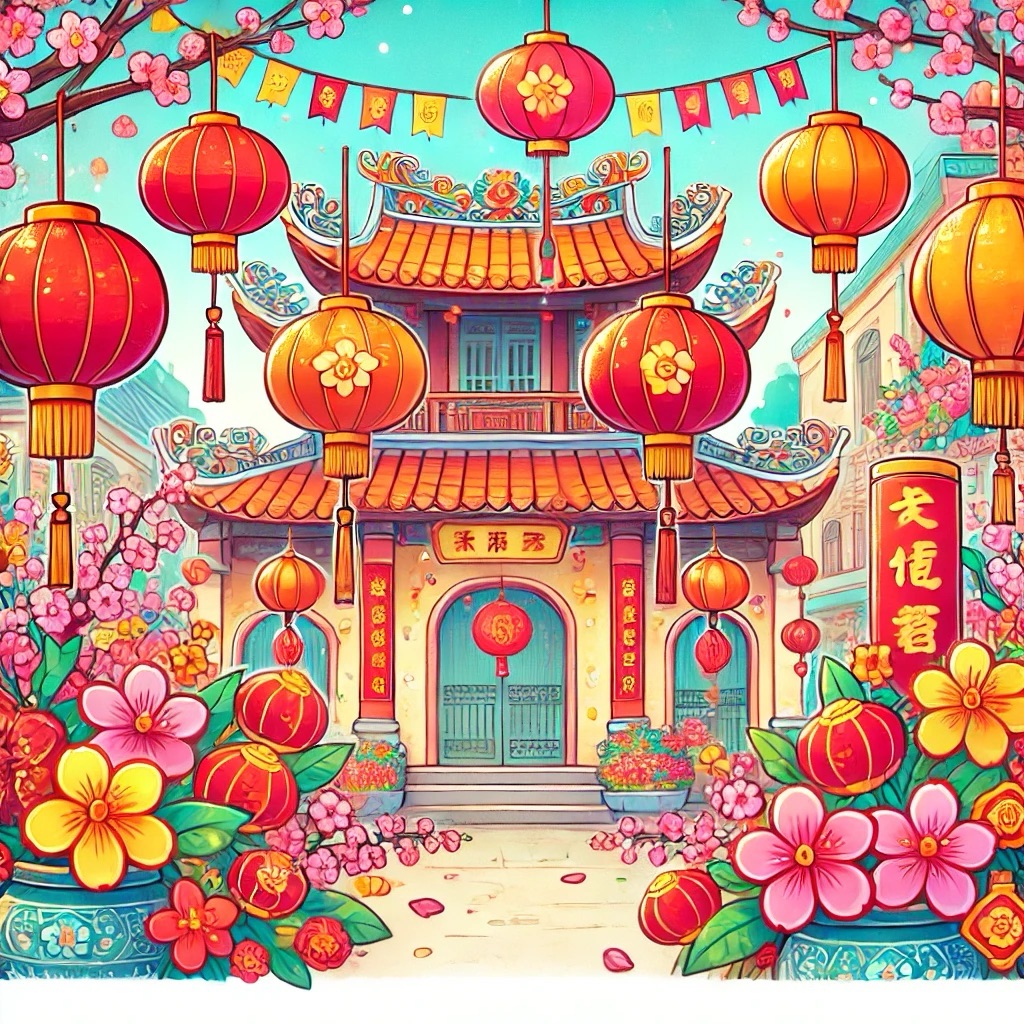
Chinese New Year, also known as the Lunar New Year or Spring Festival, is one of the most significant and widely celebrated events in Asia. Rooted in centuries of tradition, it marks the beginning of a new lunar calendar year and is a time for family reunions, festive feasts, and honoring cultural heritage. While its origins are deeply Chinese, the celebration has spread across Asia, with each country adding its unique customs and flavors.
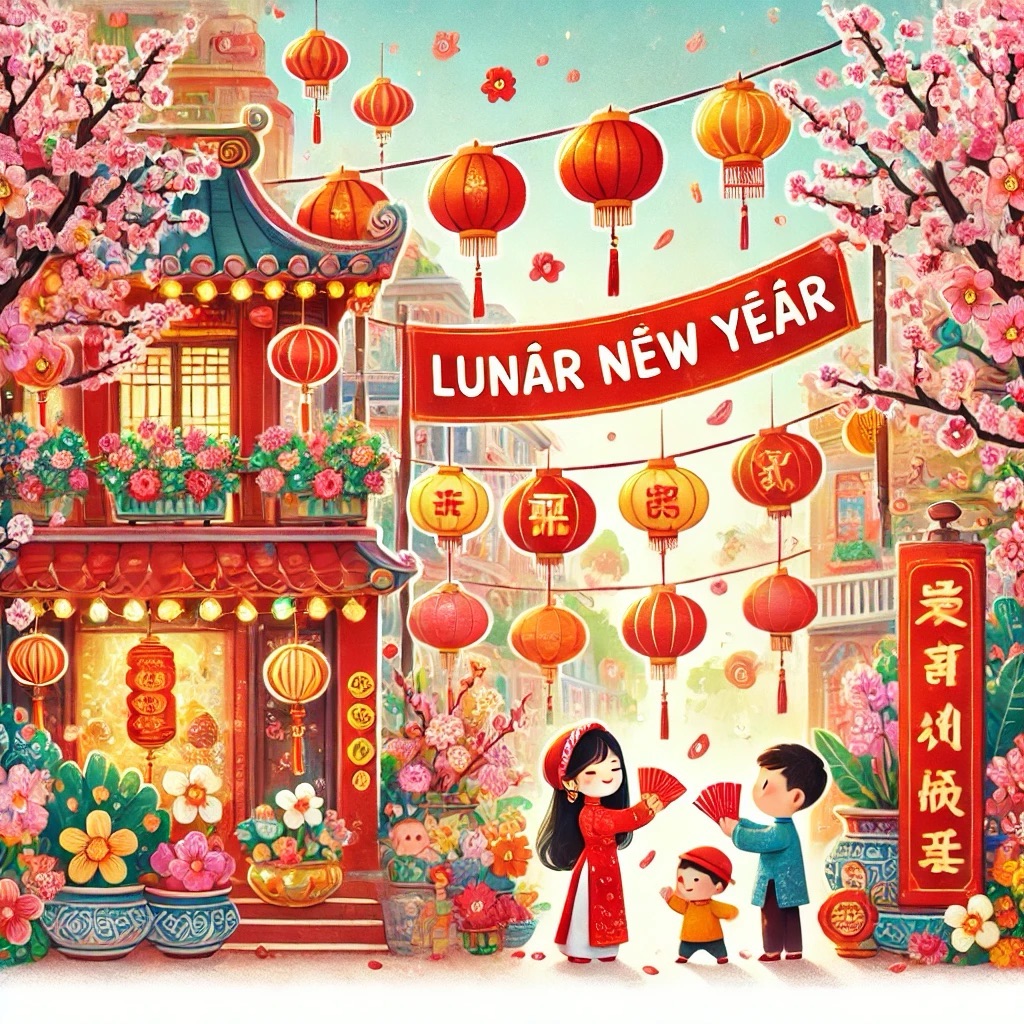
Let’s explore the rich tapestry of traditions that make Chinese New Year such a vibrant and diverse celebration across the region.
The Significance of Chinese New Year
Chinese New Year usually falls between late January and mid-February, depending on the lunar calendar. Each year is associated with one of the 12 animals of the Chinese zodiac, adding a unique theme to the festivities. Beyond its astrological significance, the holiday symbolizes new beginnings, prosperity, and the renewal of family bonds.
Common Traditions
Regardless of where it’s celebrated, certain traditions are central to Chinese New Year:
1. Family Reunions
The heart of Chinese New Year is family. Across Asia, people travel great distances to return home for the holiday, often referred to as the world’s largest annual human migration. The reunion dinner on New Year’s Eve is the most important meal of the year, filled with symbolic dishes like fish (for abundance) and dumplings (for wealth).
2. Red Decorations
Red is the dominant color of Chinese New Year, symbolizing good luck and warding off evil spirits. Homes, streets, and businesses are adorned with red lanterns, couplets, and paper cuttings.
3. Fireworks and Lion Dances
Fireworks and firecrackers are set off to drive away evil spirits and welcome the New Year with a bang. Lion and dragon dances add to the festive atmosphere, believed to bring prosperity and good fortune.
4. Red Envelopes (Hongbao/Ang Pao)
Giving red envelopes filled with money is a cherished tradition, especially for children and unmarried adults. The envelopes symbolize blessings for the year ahead.
Celebrations Across Asia
While Chinese New Year is widely celebrated in China, its influence extends far beyond, with each country adding its cultural touch.
China
In China, the celebrations last for 15 days, culminating in the Lantern Festival. Families clean their homes to sweep away bad luck, prepare lavish feasts, and participate in temple fairs. Cities like Beijing and Shanghai light up with grand parades, fireworks, and cultural performances.
Taiwan
In Taiwan, Chinese New Year is similarly celebrated with family gatherings, red envelopes, and traditional foods. However, one standout event is the Pingxi Sky Lantern Festival, where thousands of lanterns are released into the night sky, carrying wishes for the coming year.
Hong Kong
Hong Kong’s Chinese New Year celebration is a dazzling spectacle. Highlights include a massive parade featuring floats and performances, a stunning fireworks display over Victoria Harbour, and a bustling flower market where people buy plants and blooms for good luck.
Singapore
Singapore’s Chinatown transforms into a festive hub during Chinese New Year. The streets are lined with vibrant decorations, and cultural performances take center stage. The city also hosts the Chingay Parade, a multicultural extravaganza showcasing floats, dances, and acrobatics.
Malaysia
In Malaysia, Chinese New Year is celebrated with open house events, where families welcome friends and neighbors, regardless of background, to join in the festivities. The Penang city of George Town is particularly famous for its lively celebrations, including lion dances and temple ceremonies.
Vietnam (Tet Festival)
In Vietnam, the Lunar New Year is known as Tet. While it shares many similarities with Chinese New Year, such as family reunions and red decorations, Tet has its unique customs. People honor their ancestors by setting up altars and offering food. Sticky rice cakes, like banh chung and banh tet, are traditional must-haves.
South Korea (Seollal)
In South Korea, the Lunar New Year is called Seollal. Families wear traditional clothing, hanbok, and perform ancestral rites known as charye. Younger family members bow to their elders, receiving blessings and money in return. A highlight of Seollal is playing traditional games like yutnori and enjoying rice cake soup, tteokguk.
The Philippines
The Chinese-Filipino community in the Philippines celebrates Chinese New Year with a mix of traditional and local customs. Dragon dances, fireworks, and red decorations are common, particularly in Manila’s Binondo district, the world’s oldest Chinatown. Filipino families often prepare sticky rice desserts like tikoy, symbolizing unity and togetherness.
Why Chinese New Year Matters
Chinese New Year is more than just a celebration; it’s a time to reflect on the past, set intentions for the future, and reconnect with loved ones. It embodies values like family unity, gratitude, and hope, which resonate universally.
The celebration also serves as a powerful reminder of the shared cultural heritage across Asia. Despite differences in customs and languages, the core spirit of the Lunar New Year—bringing people together and wishing for prosperity—unites communities across the region.
Tips for Embracing Chinese New Year Traditions
1. Join the Festivities: Visit your local Chinatown or attend community events to experience the vibrant celebrations firsthand.
2. Try Traditional Foods: Experiment with festive dishes like dumplings, rice cakes, and sweet treats to get a taste of the holiday.
3. Learn the Zodiac: Discover the characteristics of your Chinese zodiac sign and what the new year might hold for you.
4. Adopt Traditions: Incorporate customs like giving red envelopes or decorating your home with red for good luck.
Final Thoughts
Chinese New Year is a time of joy, renewal, and connection. Whether you’re lighting lanterns in Taiwan, sharing a Tet feast in Vietnam, or simply enjoying dumplings with loved ones at home, the celebration offers a beautiful way to honor tradition and embrace the spirit of the season.
As the New Year unfolds, may it bring health, happiness, and prosperity to you and your family. Gong Xi Fa Cai!

 Captain Pillowbelly's Adventures