
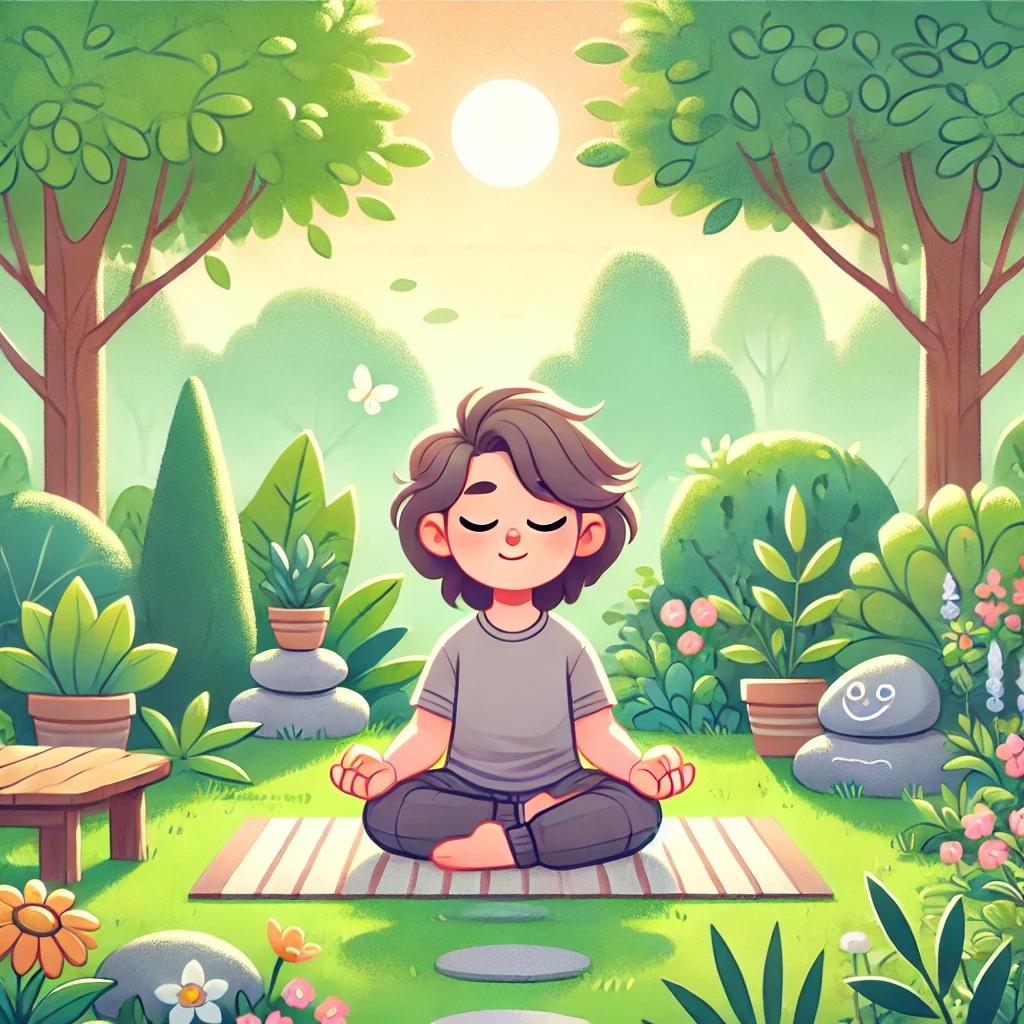
In today’s fast-paced world, finding even a moment of calm can feel impossible. Between work, family, and endless to-do lists, it’s no wonder that stress and burnout have become so common. But there’s a powerful, time-tested way to reclaim a sense of inner peace: meditation. This practice, which has been used for centuries, can help us find balance, clarity, and a more peaceful state of mind—even in the busiest of days.

Meditation isn’t about escaping reality or emptying the mind of all thoughts. Instead, it’s a practice that allows us to observe our thoughts and emotions without being overwhelmed by them. Whether you have a few minutes or a full hour, meditation can be a simple yet transformative way to reset your mind and body. Here are some meditation techniques you can try to bring a little more peace into your everyday life.
1. Mindfulness Meditation
Mindfulness meditation is one of the most popular forms, and it’s all about staying present. In this practice, you focus on being fully aware of what you’re sensing and feeling in each moment. You might concentrate on your breathing, observing each inhale and exhale without trying to change it. As thoughts come and go, you acknowledge them and gently bring your attention back to your breath.
How It Helps: Mindfulness meditation helps train the mind to stay in the present, reducing the tendency to dwell on the past or worry about the future. Over time, it can improve focus, reduce stress, and help you feel more grounded.
2. Guided Meditation
For those new to meditation, guided meditation can be an easy way to start. With this technique, a teacher or app leads you through a visualization or relaxation exercise, often incorporating breathing cues and calming imagery. Guided meditations can range from a few minutes to an hour or more, and you can find options tailored to stress relief, better sleep, or even specific goals like self-compassion.
How It Helps: Guided meditation provides structure, which can be particularly helpful for beginners. It can also make it easier to focus and can introduce you to various relaxation techniques that you can later use on your own.
3. Body Scan Meditation
The body scan is a meditative practice in which you systematically focus on different parts of your body, starting from your toes and moving up to your head. You mentally “scan” each area, noticing any tension or discomfort and consciously releasing it. This technique helps connect the mind and body, promoting relaxation and physical awareness.
How It Helps: Body scan meditation is excellent for relieving tension and reducing stress. It also helps cultivate body awareness, allowing you to tune into physical sensations and let go of built-up stress you may not have even realized was there.
4. Loving-Kindness Meditation (Metta)
In loving-kindness meditation, or Metta, you focus on developing an attitude of love and compassion toward yourself and others. You start by directing kind thoughts and well-wishes to yourself, then extend them to loved ones, acquaintances, and eventually all beings. This practice is often guided by phrases like “May I be happy, may I be healthy, may I be safe.”
How It Helps: Loving-kindness meditation promotes feelings of compassion, empathy, and connection, which can improve relationships and reduce feelings of anger or resentment. It’s also great for fostering self-love and acceptance, which can be powerful tools in managing stress and anxiety.
5. Transcendental Meditation
Transcendental Meditation (TM) is a specific type of silent meditation that involves the repetition of a mantra—a word or sound chosen specifically for the practitioner. Unlike mindfulness, where you focus on the present moment, TM is more about transcending thought altogether, reaching a state of deep rest.
How It Helps: Transcendental Meditation is known for reducing stress, improving concentration, and increasing self-awareness. This technique can lead to profound relaxation and can be an effective way to reset your mind when practiced consistently.
6. Walking Meditation
If sitting still isn’t for you, walking meditation can be a wonderful alternative. This practice combines movement with mindfulness. You walk slowly, focusing on each step and becoming aware of the sensations in your body. Walking meditation can be done outdoors, allowing you to enjoy nature while practicing mindfulness.
How It Helps: Walking meditation is a great way to incorporate mindfulness into a daily routine, especially if you find it hard to sit for long periods. It’s also a powerful way to relieve stress, calm the mind, and connect with your surroundings.
7. Breathwork Meditation
Breathwork meditation focuses on using the breath to calm the mind and relax the body. Techniques range from deep, slow breathing to patterned breathing (such as inhaling for four counts, holding for four, and exhaling for four). By focusing on the breath, you bring attention to your body and away from any stressful thoughts.
How It Helps: Breathwork meditation helps regulate the nervous system, which can lower stress levels and improve emotional well-being. It’s also a quick, effective way to bring yourself back to a calm state when you’re feeling overwhelmed.
Finding the Right Practice for You
Meditation is a highly personal practice, so what works for one person might not work for another. Start small—try a few techniques and see which one resonates with you. Remember, there’s no “right” way to meditate. Whether you have five minutes or half an hour, each session is an opportunity to create a sense of peace and connection with yourself.
Embracing Meditation as a Lifelong Tool
Meditation isn’t about achieving immediate results; it’s about building a foundation of inner peace that can carry you through the ups and downs of life. When practiced regularly, meditation becomes a tool you can lean on in times of stress, a way to ground yourself amidst chaos, and a path to discovering the calm that already exists within you.
As you explore meditation, let go of any pressure to be “perfect” at it. It’s a practice, and each day is a chance to start fresh. In a world that never seems to stop, let meditation be your reminder that inner peace is possible, even if it’s just one breath at a time.

 Captain Pillowbelly's Adventures