

One bright morning, Captain PillowBelly was sailing his trusty boat, the Beluga, across the wide, open ocean. The water was calm, and the sky was as blue as his captain’s jacket. But after a while, Captain PillowBelly felt a bit lonely, with just the sound of waves and seagulls for company. So, he decided to grab a book from his special chest. He pulled out a big, colorful book titled “The Zulu Kingdom: Stories of Bravery and Dance.”
Captain PillowBelly settled into a comfy spot, opened the book, and started reading about the Zulu people. Suddenly, a bright flash filled the air, and with a soft whoosh, Captain PillowBelly found himself standing on a warm hillside surrounded by green fields. He heard laughter, music, and the sound of drums in the distance. He blinked in surprise. “Where am I?” he asked aloud, looking around.
Just then, a friendly boy appeared with a warm smile. “Hello, traveler! I’m Sipho,” said the boy. “Welcome to the Zulu Kingdom!”
Captain PillowBelly was thrilled. “The Zulu Kingdom! I was just reading about this place!” he said, his eyes wide with wonder.
“Then come with me! My family would love to show you our home and our ways,” Sipho said, leading Captain PillowBelly to a lively village filled with people wearing brightly colored clothes, beads, and feathers. Captain PillowBelly could hardly believe his eyes – there was so much to see and learn!
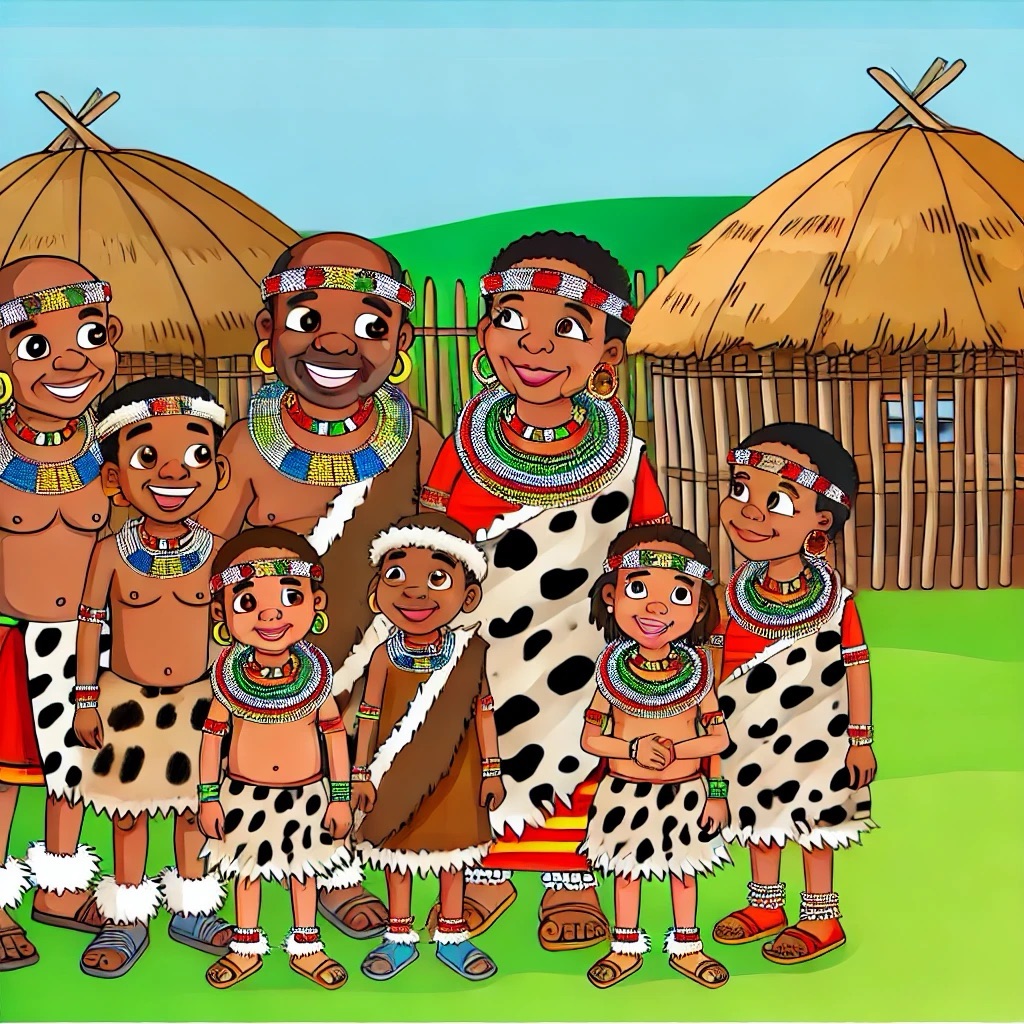
Meeting the King and Learning About Zulu Life
Soon, Sipho brought Captain PillowBelly to meet his father, who was one of the leaders of the village, and even the king himself! King Shaka was tall and proud, wearing a necklace made of colorful beads and carrying a special shield. Captain PillowBelly remembered reading that King Shaka was a great leader and warrior who helped make the Zulu people strong and united.
“Welcome, Captain PillowBelly,” said King Shaka warmly. “Today, you will be one of us and see how we live!”
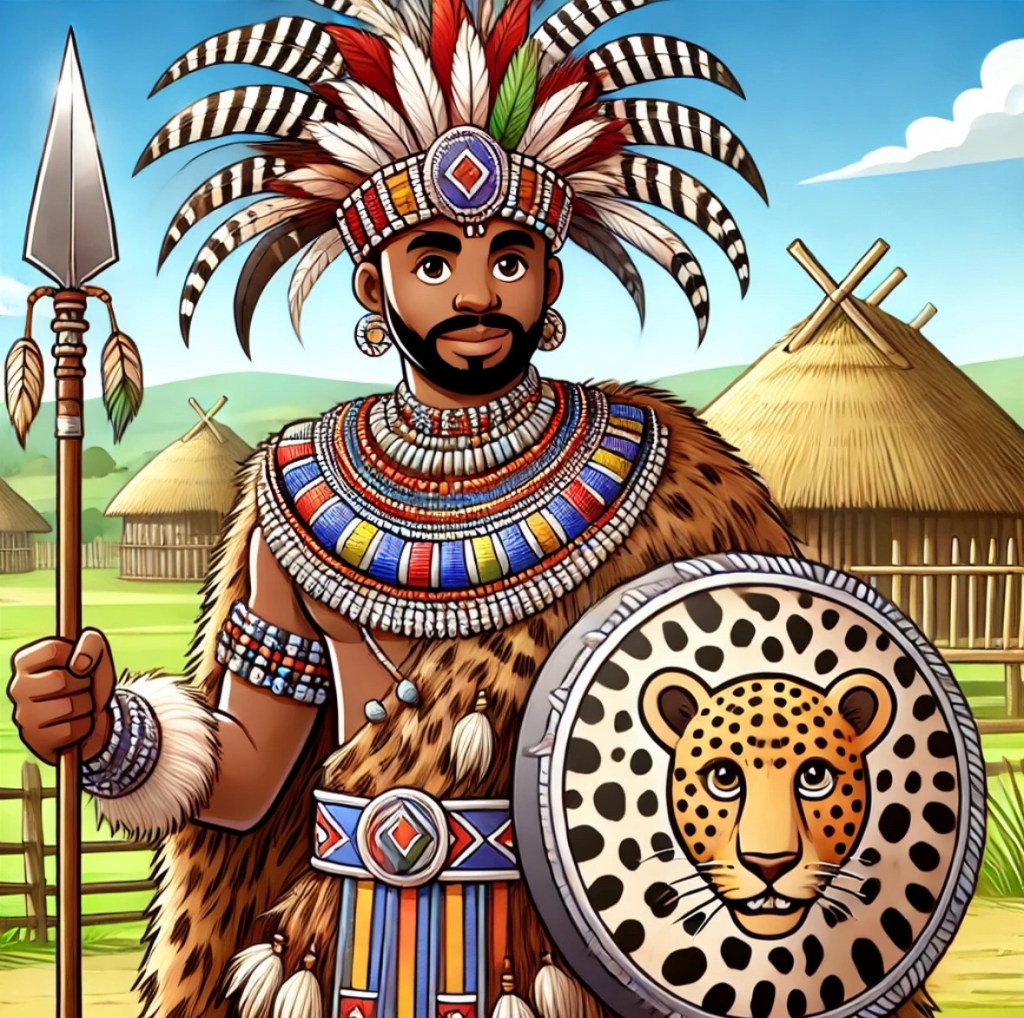
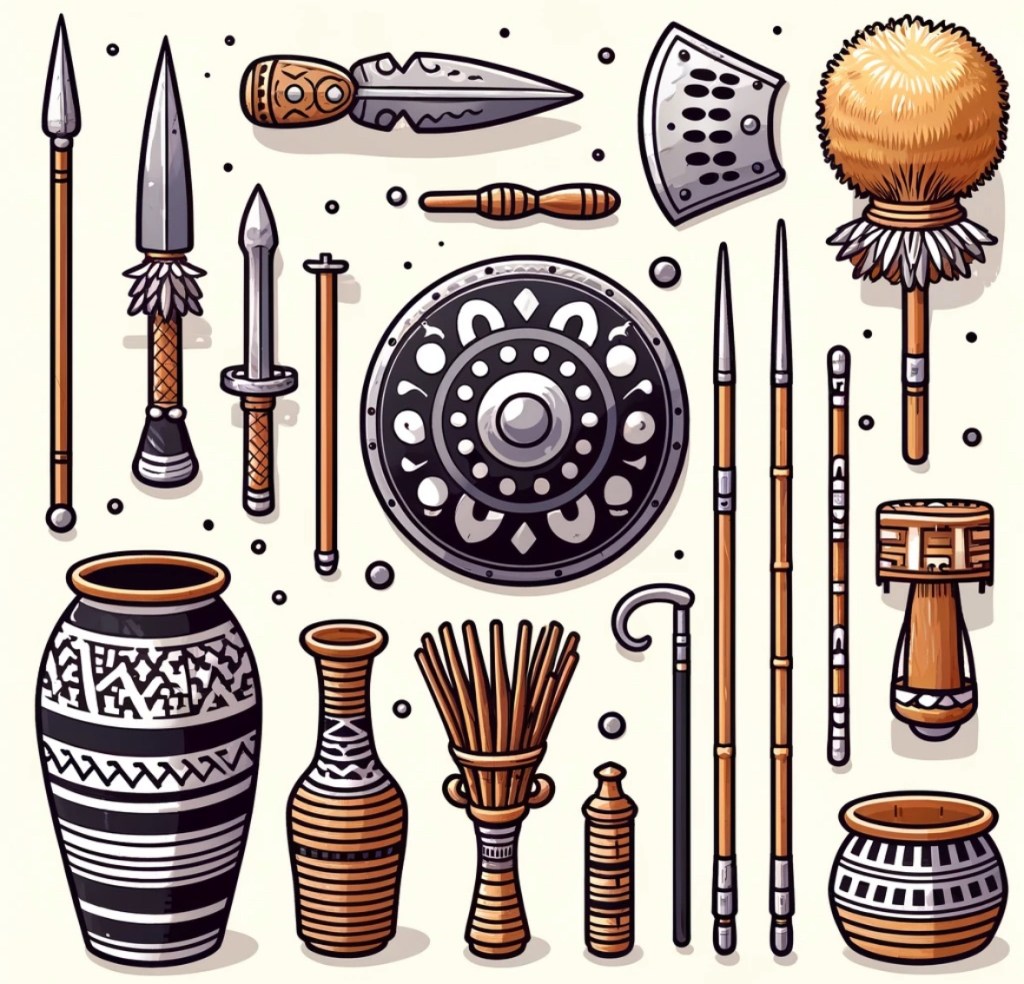
Captain PillowBelly felt honored, and he thanked the king. He had read that King Shaka had taught the Zulu people new ways of protecting their land, using special tools like shields and short spears that were easier to carry and helped them defend their families. He felt excited to learn more about how the Zulu people lived.
Exploring the Village
Sipho and his friends showed Captain PillowBelly around their village, where they saw people making all sorts of useful things. Captain PillowBelly noticed that everyone had a role in the village. Some people were busy weaving beautiful baskets out of grass, while others were crafting tools from wood and stone. “These baskets help us carry food and water,” explained Sipho. “And our tools help us farm, build, and hunt.”
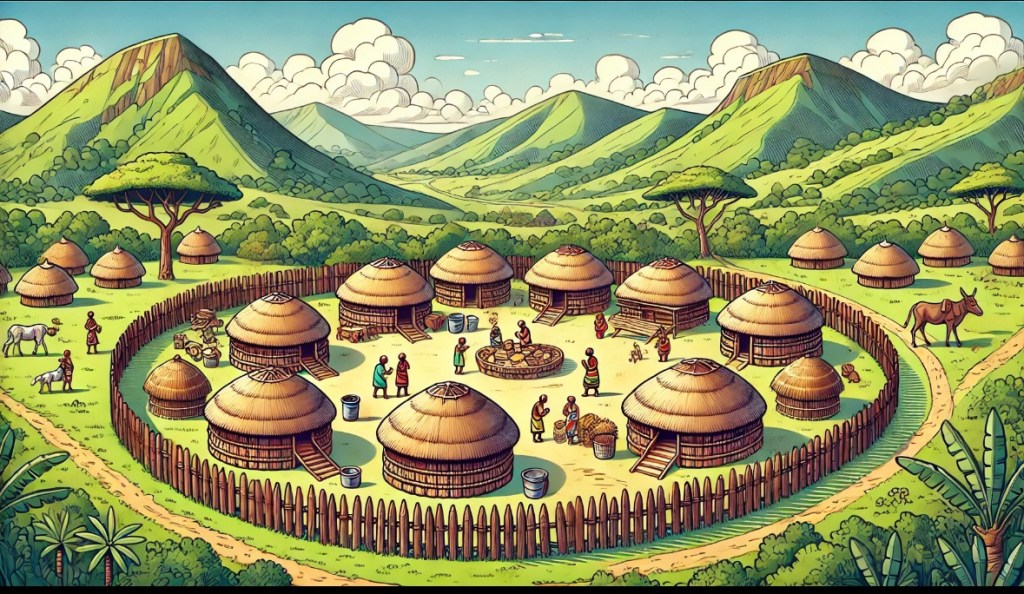
Captain PillowBelly was fascinated by how clever the Zulu people were. They used every part of nature – wood, stones, plants – to make the things they needed. “Everything has a purpose,” Sipho said. “Our people have been using these skills for a long, long time.”
The Zulu Dance and Celebration
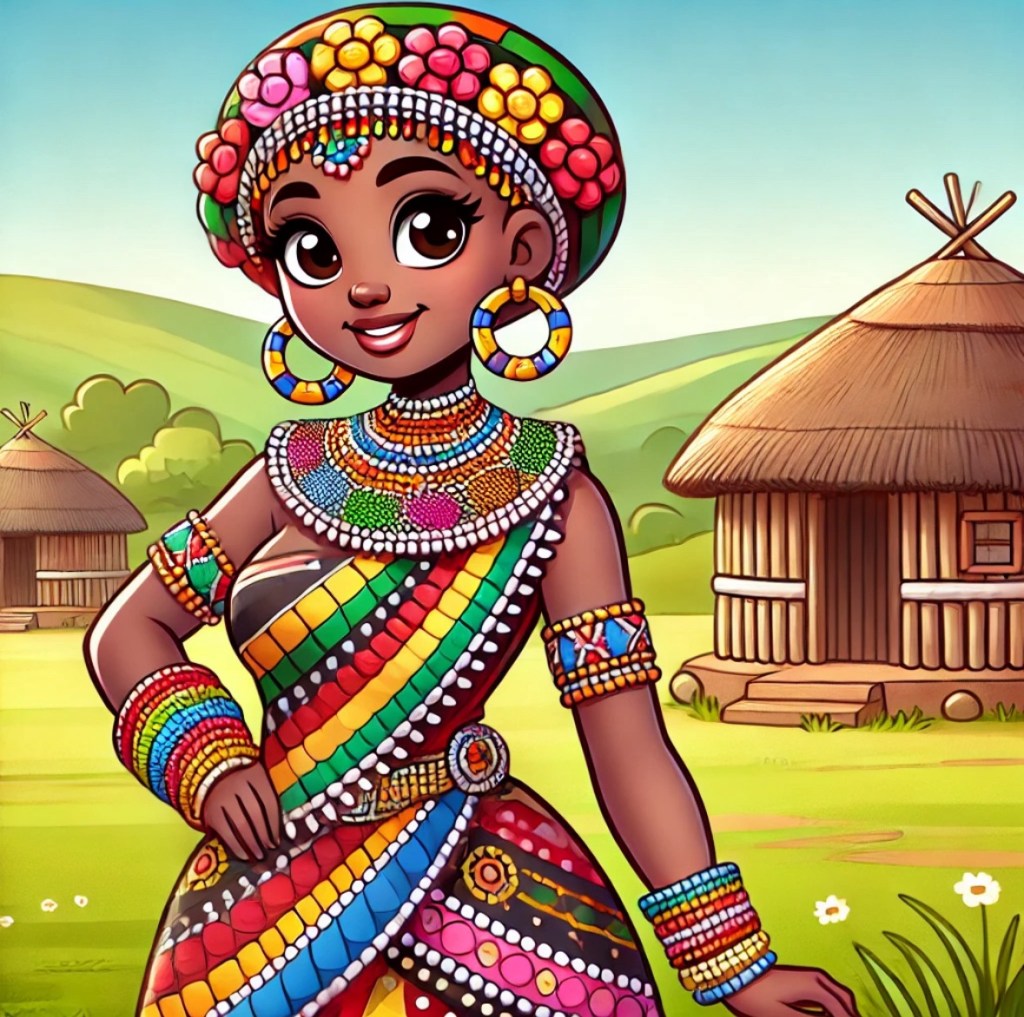
Then, Sipho and his family invited Captain PillowBelly to join a big celebration in the village. The people wore colorful clothes, decorated with bright beads and feathers. Captain PillowBelly learned that these beads weren’t just pretty – they were also a way for people to share stories. Each color had a meaning, and when put together in special patterns, the beads could tell stories about family, friendship, and bravery.
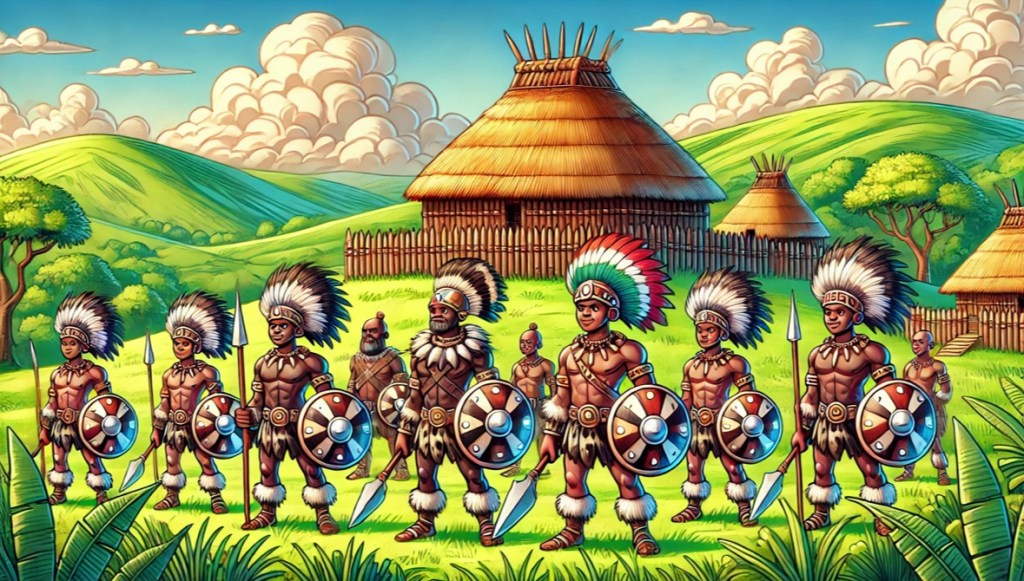
The drums began to beat, and the village gathered around to watch the dance. Sipho, along with the other boys and girls, began dancing – lifting their knees high, stomping their feet, and clapping their hands. “Dancing is a way we tell stories, celebrate, and give thanks,” Sipho explained as he showed Captain PillowBelly a few moves.
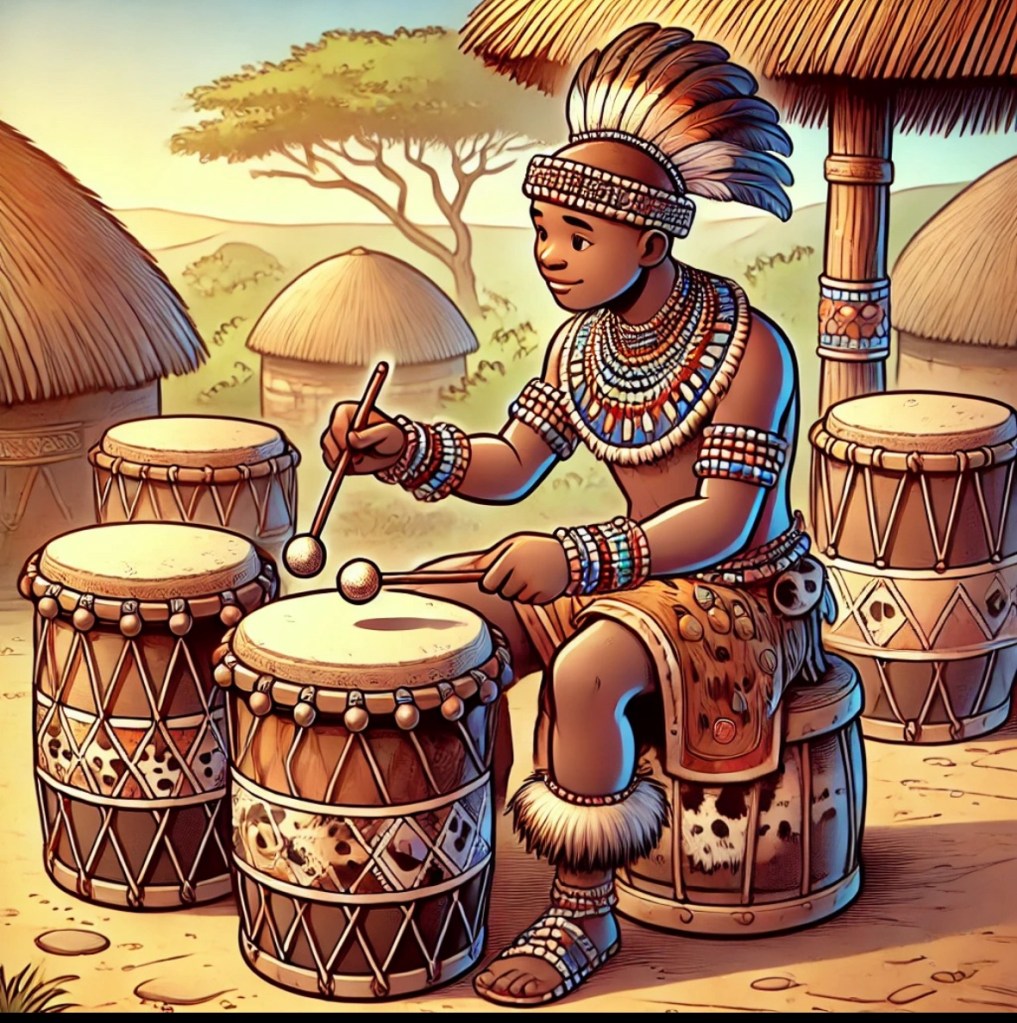
Captain PillowBelly joined in, laughing as he danced alongside Sipho and his friends. The whole village was clapping, cheering, and moving to the beat of the drums. Captain PillowBelly had never felt so much joy and energy all around him. He couldn’t help but feel like he was part of the Zulu family.

Honoring the Ancestors
As the sun started to set, Sipho’s family invited Captain PillowBelly to join a special evening ceremony. Sipho explained that in Zulu culture, honoring their ancestors – the family members who had lived long ago – was very important. “We believe our ancestors are with us, watching over us and guiding us,” said Sipho’s father as he held a bundle of herbs and began to burn them as part of the ritual.
Captain PillowBelly listened closely as Sipho’s father told stories of brave Zulu warriors and wise leaders who had come before. Everyone held hands and sang a gentle song to remember these ancestors. Captain PillowBelly felt peaceful and grateful, knowing that he was part of such a special moment.
The Zulu Kingdom’s Impact on Africa
Later that night, as they sat around a fire, King Shaka shared more stories about how the Zulu Kingdom had become famous across Africa. The Zulu people were known for their courage, unity, and skills. “We have taught others how to live with bravery and respect, and we have inspired many other tribes,” said the king with pride.
Captain PillowBelly listened with admiration. He learned that the Zulu Kingdom had shown people all across Africa the importance of protecting family and working together. “We always work as a team,” said Sipho. “That’s how we stay strong and happy.”
Saying Goodbye
As the stars began to twinkle, Captain PillowBelly knew it was time to head back to his boat. King Shaka handed him a small bracelet made of colorful beads. “This will remind you of our family and the Zulu Kingdom,” the king said.

Captain PillowBelly thanked the king, Sipho, and everyone in the village. “Thank you for showing me your beautiful home, teaching me your dances, and sharing your stories. I’ll never forget this day!” he said, waving goodbye.
Back on the Beluga, Captain PillowBelly looked at the bead bracelet on his wrist. It reminded him of the Zulu people’s strength, bravery, and joy. Snuggled under his pillow, he drifted off to sleep with a warm heart, dreaming of the Zulu Kingdom and the friends he had made there.

 Captain Pillowbelly's Adventures