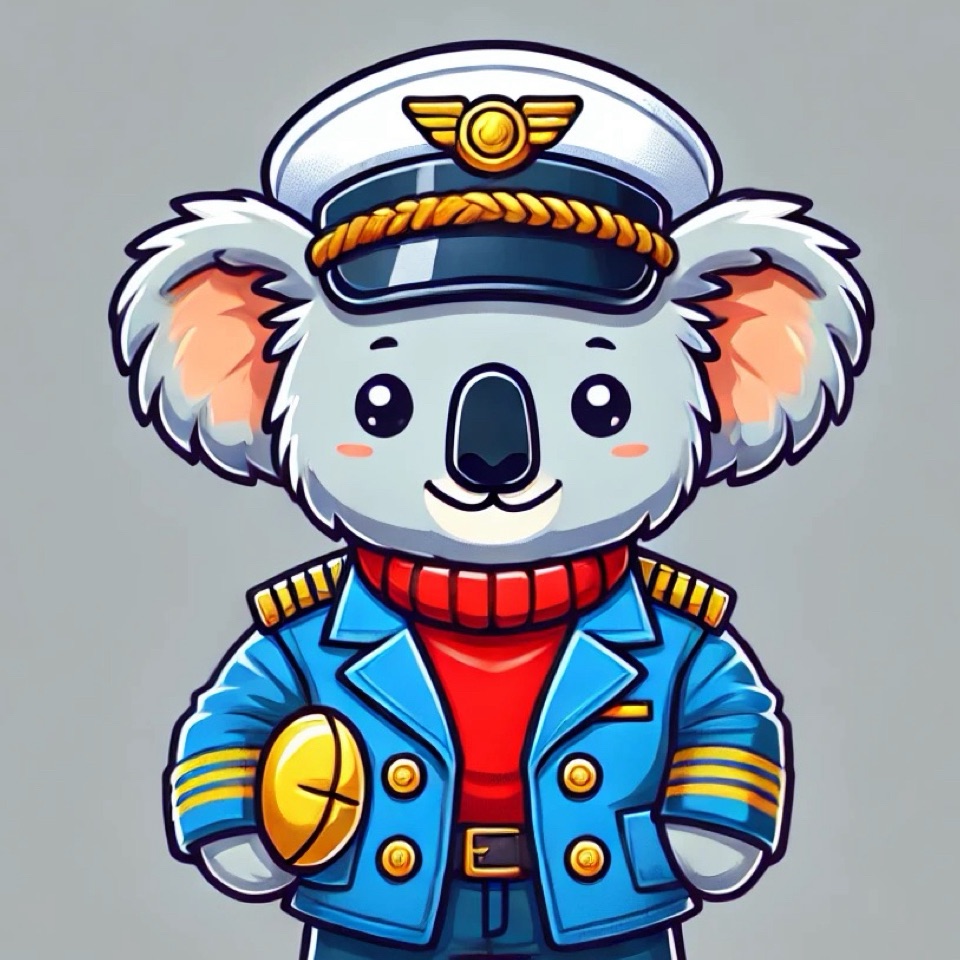
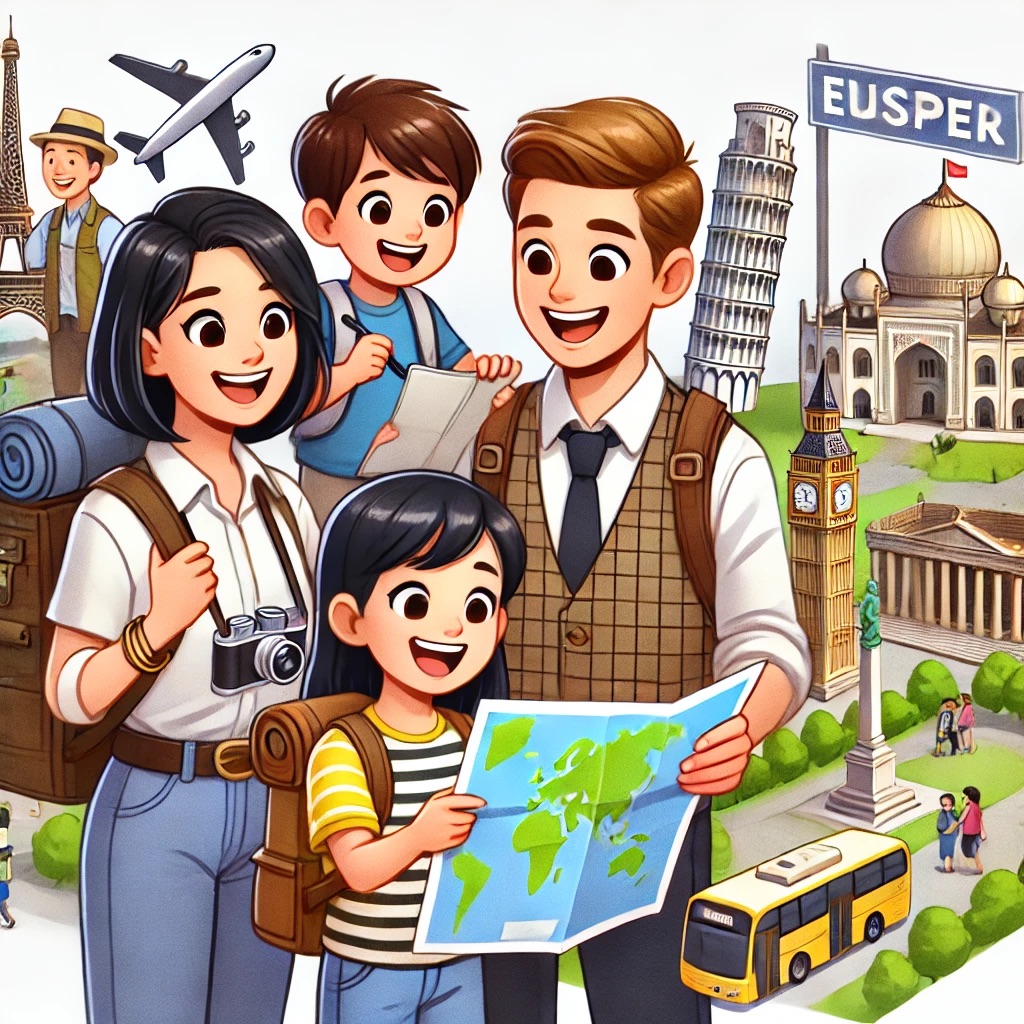
Traveling with kids is more than just a break from daily routines—it’s an opportunity for children to learn essential life skills that will serve them well into adulthood. Each family trip presents new experiences, challenges, and adventures that help children grow in ways that classrooms often can’t. And when we look at Captain Pillowbelly’s globetrotting journeys, we see how his fictional adventures mirror the real-life lessons our kids learn as we travel together as a family.
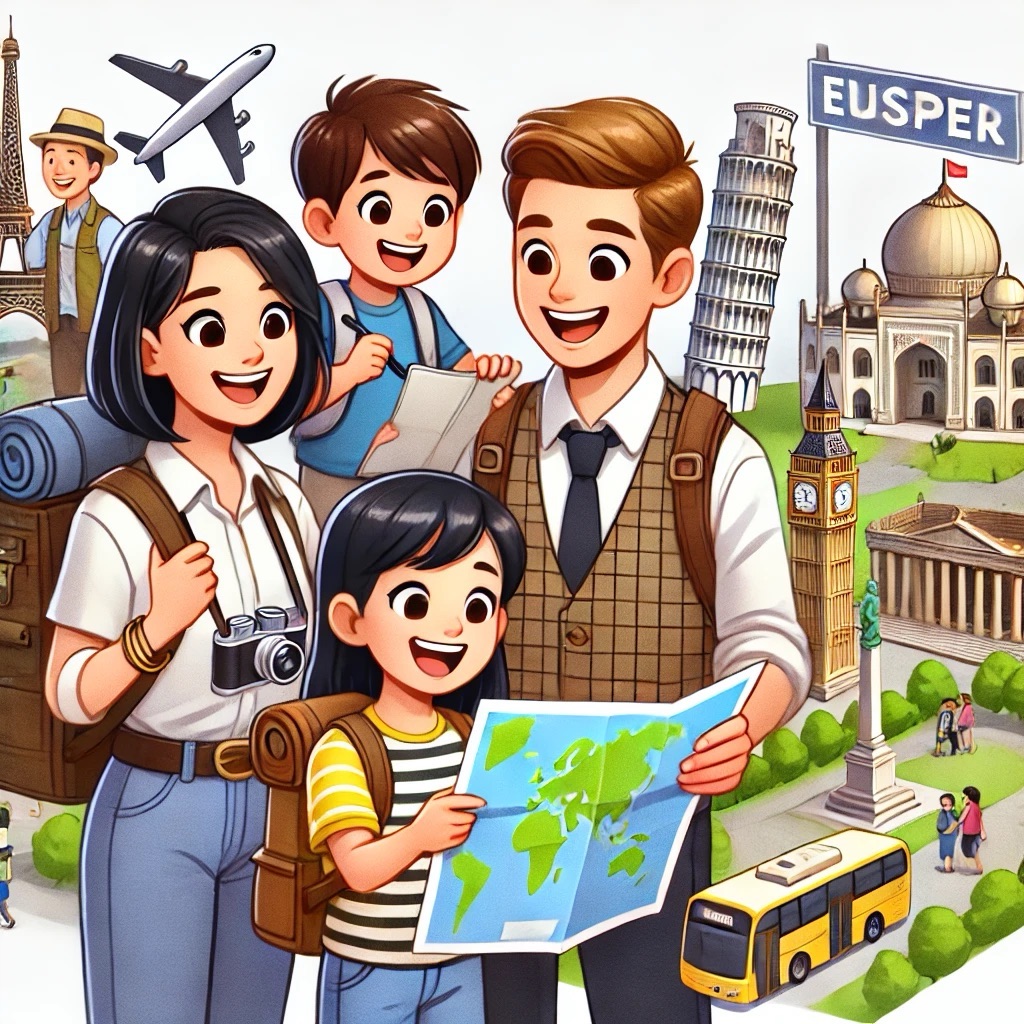
In this blog post, we’ll explore the life skills children gain from traveling and how Captain Pillowbelly’s adventures provide a fun, relatable model for the important lessons kids learn on the road.
1. Adaptability and Flexibility
Captain Pillowbelly’s travels often take him to faraway lands where things don’t always go as planned. Whether it’s learning to navigate a new city or adjusting to unexpected changes in weather, Captain Pillowbelly stays calm, adjusts to the situation, and finds new ways to enjoy his adventures.
Similarly, when traveling as a family, adaptability is key. Flights get delayed, hotel rooms may not be what you expected, or plans can change on a whim. These moments offer valuable lessons in flexibility for kids. They learn to embrace the unknown, go with the flow, and see change as part of the adventure.
Life Skill: Traveling teaches kids that life doesn’t always go according to plan, and that’s okay! Learning to adapt to new situations with a positive attitude helps children develop resilience and problem-solving skills.
2. Cultural Awareness and Curiosity
One of the most important aspects of Captain Pillowbelly’s stories is the cultural awareness he gains from visiting different countries. Whether he’s enjoying sushi in Japan or learning greetings in Mauritius, Captain Pillowbelly shows children that the world is full of fascinating cultures, traditions, and languages.
In the same way, traveling as a family helps children develop curiosity about the world and an appreciation for cultural diversity. Every destination offers new foods, languages, customs, and ways of life. Children gain exposure to different perspectives, which fosters empathy and a global mindset.
Life Skill: Family travel helps children build cultural awareness and empathy, teaching them that the world is full of diverse people and experiences worth exploring and respecting.
3. Problem-Solving and Critical Thinking
Captain Pillowbelly’s adventures often require him to solve problems, whether it’s figuring out how to get back to his boat, Beluga, or finding a way to help a friend in need. These challenges help Captain Pillowbelly sharpen his problem-solving skills and think creatively.
Traveling as a family presents plenty of real-life problem-solving opportunities. Maybe you miss your train, can’t find the right street, or have to figure out how to communicate in a language you don’t speak. These moments encourage children to think critically, use resources creatively, and come up with solutions.
Life Skill: Traveling helps children develop critical thinking skills and learn how to tackle challenges with resourcefulness and confidence.
4. Patience and Emotional Regulation
Throughout Captain Pillowbelly’s stories, he faces situations that test his patience—like waiting for food to cook or navigating crowded markets. Even though he’s a naturally impatient koala (especially when he’s hungry!), Captain Pillowbelly learns to stay calm and patient during moments of frustration.
When traveling, kids often have to wait—whether it’s for a flight, at a restaurant, or during long car rides. These situations teach them how to manage their emotions, practice patience, and keep a positive attitude even when things aren’t happening as quickly as they’d like.
Life Skill: Traveling helps children develop emotional regulation and patience, which are crucial for handling frustration and waiting in everyday life.
5. Responsibility and Independence
Captain Pillowbelly is the captain of his own ship, and with that role comes responsibility. From packing his bags to taking care of his boat, Beluga, Captain Pillowbelly models responsibility and independence in each adventure.
When traveling, children have the opportunity to take on small responsibilities that build their sense of independence. Whether it’s packing their own bags, holding their own tickets, or navigating simple tasks at the airport, these experiences give children a sense of ownership over their role in the trip.
Life Skill: Traveling teaches children responsibility by giving them small tasks that help them feel more independent and capable.
6. Communication and Social Skills
Captain Pillowbelly’s travels take him to new places where he meets local children and friends, learning how to communicate even when the language or customs are unfamiliar. These interactions show kids the importance of communication and building relationships, even when there are differences.
For children, traveling often means interacting with people from different cultures, speaking different languages, or using non-verbal communication. This helps them learn how to be polite, ask for help, and engage with others—valuable skills that can be used in all aspects of life.
Life Skill: Traveling helps children develop communication and social skills by teaching them how to engage with new people in unfamiliar settings.
7. Appreciation for Nature and the Environment
Captain Pillowbelly’s adventures take him to all kinds of natural landscapes—beaches, mountains, forests—and his love for nature always shines through. His stories often remind children of the beauty of the natural world and the importance of respecting it.
Family trips to national parks, beaches, or mountains give children a chance to explore nature firsthand, helping them build an appreciation for the environment. Through hiking, beachcombing, or simply observing wildlife, children learn about the importance of preserving the planet.
Life Skill: Traveling teaches children to appreciate and respect the natural world, fostering a sense of environmental stewardship.
Final Thoughts: Captain Pillowbelly and Real-Life Family Adventures
Just like Captain Pillowbelly, children on family adventures learn valuable life skills that will stay with them for years to come. From problem-solving and adaptability to cultural awareness and independence, travel offers countless opportunities for personal growth and learning.
As we continue to develop Captain Pillowbelly’s stories, we hope that his adventures will inspire not only curiosity but also the desire to explore the world—and we know that each trip our family takes brings us closer together, with memories and lessons that last a lifetime. Traveling is not just about the destination; it’s about the skills, experiences, and connections we make along the way.

 Captain Pillowbelly's Adventures