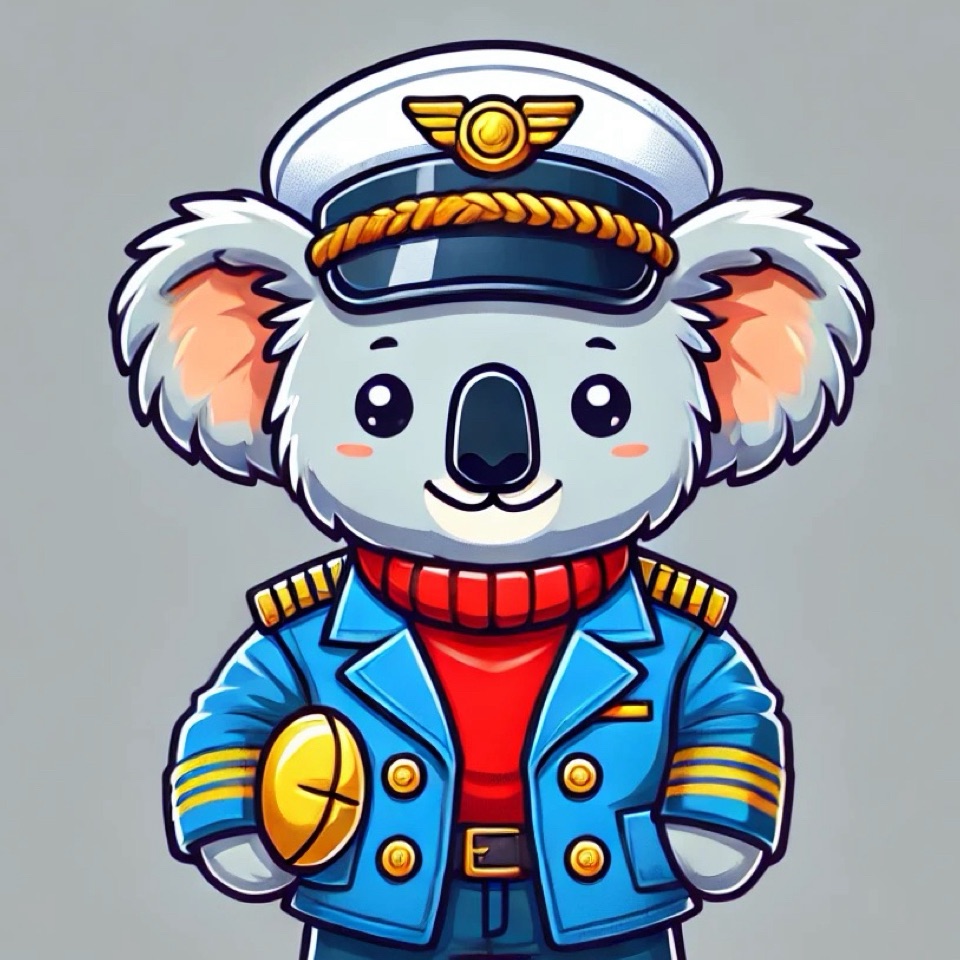

Captain Pillowbelly, our adventurous and food-loving koala, sails around the world, visiting far-off lands and meeting new friends along the way. As we continue developing his stories and adventures, we often wonder—could Captain Pillowbelly ever reach the level of global fame that beloved characters like Peppa Pig have achieved? To explore this question, let’s take a look at how Peppa Pig became a household name across the globe and what lessons we can learn from her journey to international stardom.

The Rise of Peppa Pig: Humble Beginnings
Peppa Pig, the animated children’s television series created by Neville Astley and Mark Baker, first aired in the UK in 2004. The show follows Peppa, a young pig, along with her family and friends, as they embark on everyday adventures. The concept was simple, yet the show quickly resonated with children and parents alike for its charming, relatable stories and gentle humor.
Initially, Peppa Pig was a modest success in the UK, airing on Channel 5’s Milkshake! and gaining traction among British preschoolers. The show’s colorful, 2D animation style, combined with Peppa’s cheerful attitude and relatable experiences like visiting the playground or going on family outings, made it an easy favorite among young audiences.
Key Factors Behind Peppa Pig’s Global Success
So, how did Peppa Pig, a simple British cartoon, evolve into a global phenomenon, beloved by children in over 180 countries? Here are the key factors that contributed to its global fame:
1. Universal Appeal and Relatable Themes
One of the most significant factors behind Peppa Pig’s success is its universal appeal. The show focuses on everyday experiences that children around the world can relate to—such as playing with friends, celebrating birthdays, and visiting family. The simplicity of these stories transcends cultural and linguistic boundaries, making it easy for children from diverse backgrounds to connect with the characters and situations.
Peppa’s playful, curious personality, combined with the warmth and humor of her family and friends, creates a sense of familiarity. This universal relatability is a core reason why the show has translated so well to audiences worldwide.
Lesson for Captain Pillowbelly: Much like Peppa Pig, Captain Pillowbelly’s adventures can connect with global audiences by focusing on shared experiences. The excitement of trying new foods, meeting new friends, and exploring unfamiliar places resonates with children everywhere, making Captain Pillowbelly a potentially universal figure in children’s entertainment.
2. Strong Branding and Merchandising
While the show itself laid the foundation, Peppa Pig’s rise to global fame was heavily fueled by the strategic development of a powerful brand. Early on, Peppa Pig expanded beyond the television screen into the world of merchandising. This included everything from plush toys, clothing, and books to lunchboxes and bedding, turning Peppa into more than just a character on TV.
By 2010, Peppa Pig was not only one of the most-watched children’s programs but also one of the most profitable children’s brands, generating over £200 million a year through merchandising. The appeal of owning a Peppa Pig toy or wearing Peppa-themed pajamas further cemented the show’s popularity, allowing the brand to thrive across multiple platforms.
Lesson for Captain Pillowbelly: To achieve widespread recognition, Captain Pillowbelly’s world could extend beyond storytelling into merchandise that kids love—whether through plush toys, clothing, or themed accessories. This expands the connection children have with the character, allowing Captain Pillowbelly to become part of their everyday lives.
3. Localization and Language Adaptation
Peppa Pig’s international success can also be attributed to its ability to adapt to different languages and cultures. The show has been dubbed into over 40 languages, with local versions that reflect the cultural norms of the region while staying true to Peppa’s core values and charm.
Localization wasn’t limited to translation—it also included slight adjustments in dialogue and even references to cultural specifics in some versions. This flexibility made Peppa Pig accessible and relatable to children in countries as diverse as China, Brazil, and the United States.
In China, for instance, Peppa Pig became a sensation among young audiences, particularly after the character appeared in viral social media trends. The appeal of Peppa in China was so strong that it led to the creation of Peppa Pig theme parks and additional localized content.
Lesson for Captain Pillowbelly: For Captain Pillowbelly to achieve global fame, localization will be key. Creating versions of his adventures in different languages, while considering cultural nuances, will help the character resonate with children across the world. Our existing plan to offer the Captain Pillowbelly app in multiple languages (English, French, German, and Chinese) is a great step in this direction.
4. Strategic Global Distribution
Peppa Pig’s rise to fame also hinged on smart distribution deals. Initially, the show aired on UK television, but as its popularity grew, it was picked up by international broadcasters. Strategic partnerships with major networks like Nickelodeon in the US and Treehouse TV in Canada helped propel Peppa Pig into millions of homes worldwide.
In addition to traditional TV, Peppa Pig capitalized on digital platforms such as YouTube and Netflix, making the show easily accessible to children on-demand. This approach allowed Peppa to reach a global audience far beyond the limitations of scheduled television broadcasts.
Lesson for Captain Pillowbelly: Global distribution is essential for Captain Pillowbelly to reach widespread fame. Leveraging digital platforms like YouTube or streaming services for animated stories could help Captain Pillowbelly reach an international audience, making his adventures available to children whenever and wherever they want to tune in.
5. Consistent and Expansive Content Creation
Peppa Pig has consistently produced new content, keeping young audiences engaged over the years. While the episodes remain short and simple, the consistent release of new adventures has allowed the brand to stay fresh. Beyond the main series, Peppa Pig has expanded into books, games, and special episodes like holiday-themed content, keeping the character relevant and exciting for returning viewers.
Lesson for Captain Pillowbelly: Just like Peppa Pig, Captain Pillowbelly’s stories should grow and evolve. By continually adding new adventures, special holiday episodes, or even interactive content through the app, we can keep the excitement alive for returning readers.
Can Captain Pillowbelly Achieve Global Fame?
Peppa Pig’s journey from a small UK-based show to a global brand offers plenty of inspiration. Achieving that level of fame involves more than just creating lovable characters—it requires strategic branding, localization, and ongoing content creation, all while maintaining the charm and universal appeal that originally draws in young audiences.
Captain Pillowbelly is still in the early stages of his journey, but with thoughtful planning and a focus on making his adventures accessible and relatable to kids around the world, there’s plenty of potential for him to grow into a globally recognized character. With his unique travel-based stories, fun personality, and educational elements, Captain Pillowbelly could become a beloved figure for children everywhere, just like Peppa Pig.
All that said, of course we wound not bank on it. Our cute little Captain is a family project … but one could dream…

 Captain Pillowbelly's Adventures