
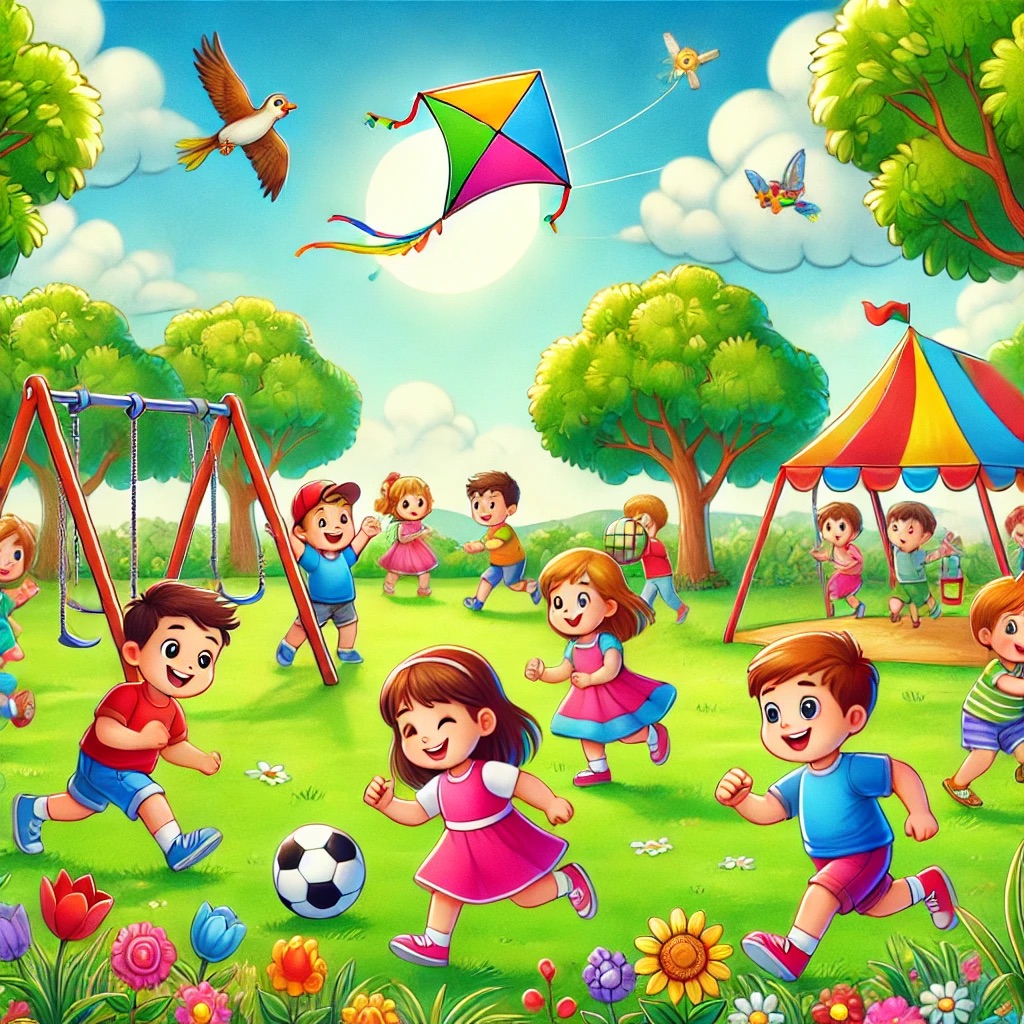
In today’s tech-driven world, children are spending more time indoors than ever before. While screens and digital activities have their place, there’s one environment that offers unmatched benefits for kids: the great outdoors. Nature is not only a vast, stimulating playground, but it also plays a crucial role in a child’s physical, mental, and emotional development. Encouraging outdoor play should be a priority for every parent, and here’s why.
1. Physical Health and Fitness
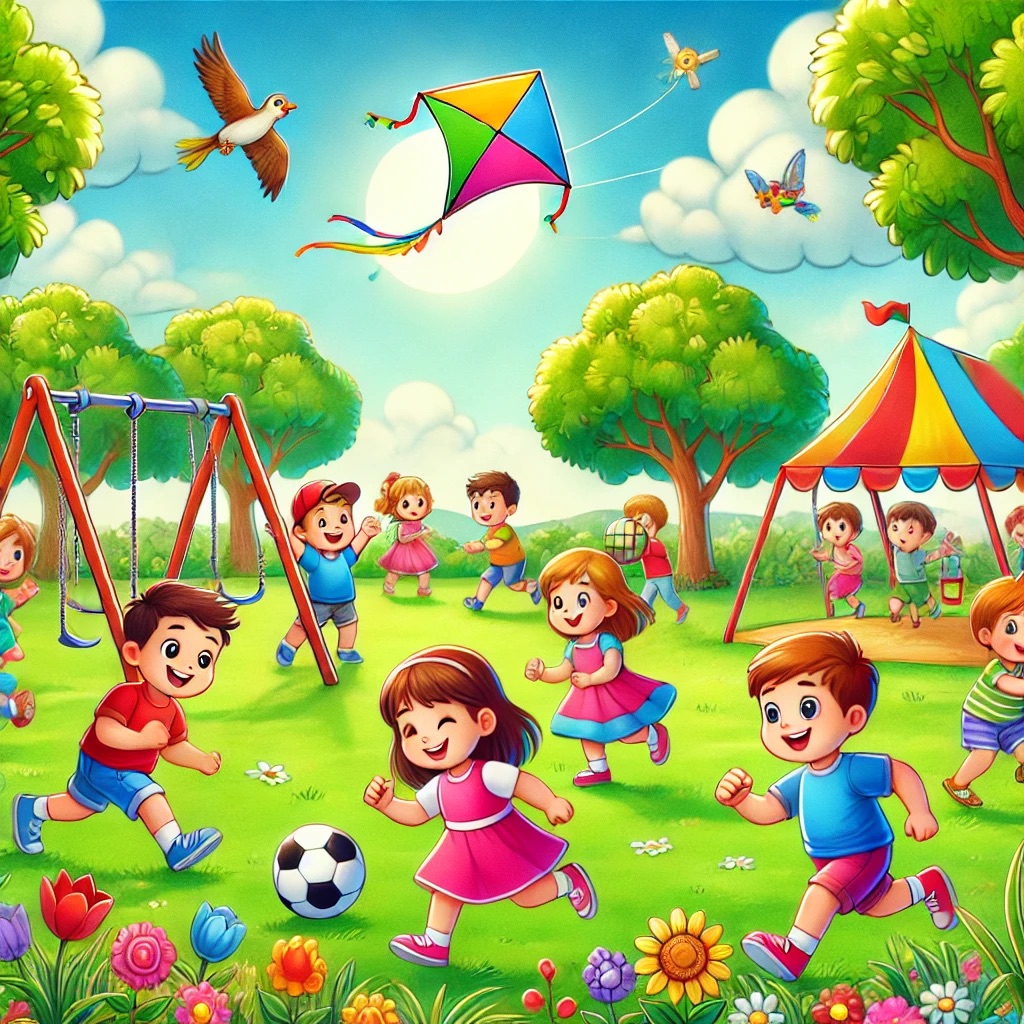
Outdoor play naturally promotes physical activity. Whether it’s running, climbing, jumping, or simply exploring, kids move more when they’re outside. These activities strengthen muscles, improve coordination, and enhance overall physical health. Unlike the limited, often sedentary nature of indoor activities, the outdoors offers endless opportunities for movement, helping children develop gross motor skills.
Tip: Encourage activities like hiking, biking, or even just a trip to the park. These not only keep children active but also cultivate a love for movement early on, setting them up for a lifetime of healthy habits.
2. Boosting Creativity and Imagination
Nature is the ultimate backdrop for imaginative play. With no predefined rules or limitations, the outdoors invites children to make up their own games and stories. A stick can become a magic wand, a rock can be a treasure, and a patch of trees can turn into a pirate ship. Unlike the structured world of toys and screens, nature encourages open-ended play, which helps children develop creativity and problem-solving skills.
Tip: Give your child unstructured time in nature—this could be in the backyard, at the beach, or on a camping trip. Allow them to explore at their own pace, make up stories, and use natural materials to fuel their imagination.
3. Mental and Emotional Well-being
The calming effect of nature is well-documented. Outdoor play helps reduce stress, anxiety, and mental fatigue. The simple act of being outside in a natural setting can increase mood, lower levels of cortisol (the stress hormone), and promote a sense of peace and relaxation. This is particularly important for children, as their growing minds benefit greatly from time spent in soothing, natural environments.
Tip: Incorporate regular nature outings into your family’s routine, even if it’s as simple as a daily walk. Time spent outdoors can serve as a natural reset, reducing stress and boosting your child’s mood.
4. Improving Social Skills
Outdoor play often involves interacting with other children, which naturally develops social skills. Whether playing tag, building a fort together, or negotiating who gets the next turn on the swing, kids learn how to communicate, cooperate, and solve conflicts. Outdoor settings also offer a more relaxed environment for children to practice social interactions without the constraints of formal settings, such as the classroom.
Tip: Plan playdates at parks or nature reserves where children can engage in outdoor group activities. This encourages them to work together, share, and develop critical social skills in a fun, organic way.
5. Fostering Independence and Risk-Taking
When children play outside, they often face challenges they wouldn’t encounter indoors. Whether it’s climbing a tree, navigating uneven ground, or balancing on a log, outdoor play helps them assess risk and make decisions. This kind of play promotes self-confidence, independence, and resilience, as children learn to trust their abilities and overcome obstacles.
Tip: Allow your child to take age-appropriate risks outdoors. Supervise, but give them the space to experiment and push their boundaries safely. This helps build both physical and mental resilience.
6. Developing a Connection with Nature
Spending time outdoors fosters a deep connection with nature, which is important for children’s understanding of the world around them. By observing plants, animals, and changing weather patterns, children learn about ecosystems, seasons, and the environment. Developing this appreciation for nature early on also increases the likelihood that they will grow up with an interest in environmental stewardship.
Tip: Encourage curiosity by turning outdoor time into learning opportunities. Whether it’s identifying different trees, collecting leaves, or observing wildlife, help your child appreciate the natural world through hands-on exploration.
7. Enhancing Focus and Attention
For children who struggle with focus, such as those with ADHD, time spent in nature has been shown to improve concentration. Outdoor play allows children to release pent-up energy, which can lead to better focus when they return to indoor tasks. The unstructured nature of outdoor environments also helps children learn how to pay attention to details and follow through on tasks, such as building a sandcastle or completing a scavenger hunt.
Tip: Balance your child’s indoor activities with regular breaks outside. This can help improve their concentration when they return to homework or other tasks that require sustained attention.
8. Promoting Better Sleep
Physical activity combined with the fresh air often leads to better sleep patterns for children. When kids spend time outside, they burn off more energy and are exposed to natural light, which helps regulate their circadian rhythm. As a result, they are more likely to fall asleep easier and stay asleep longer, leading to healthier rest overall.
Tip: Make outdoor play a part of your child’s daily routine, even if it’s just for an hour. You’ll likely notice an improvement in their sleep quality and overall energy levels.
Final Thoughts
Outdoor play offers countless benefits for children, from physical health to emotional well-being and cognitive development. Nature provides the perfect playground for kids to learn, grow, and have fun. In a world where screens often dominate our attention, encouraging children to spend time outdoors is one of the best gifts a parent can give. So, whether it’s a simple walk in the park or a day of adventure in the woods, prioritize outdoor play and watch your children thrive in ways that indoor activities simply can’t offer.
Nature is waiting—let’s get outside!

 Captain Pillowbelly's Adventures