
Creating stories for children is a special kind of magic. It’s about crafting worlds filled with wonder, humor, and heart, where young readers can embark on adventures while learning valuable life lessons along the way. Writing the Captain Pillowbelly stories has been a rewarding journey, and in this post, we want to give you a peek behind the curtain—into the creative process that brought our beloved koala character to life.
From character development to story creation and illustration, every step of this project has been about bringing joy to children’s bedtime routines. We’ll also share a few tips for aspiring authors who want to write engaging stories for kids.
1. The Birth of Captain Pillowbelly: Where It All Began
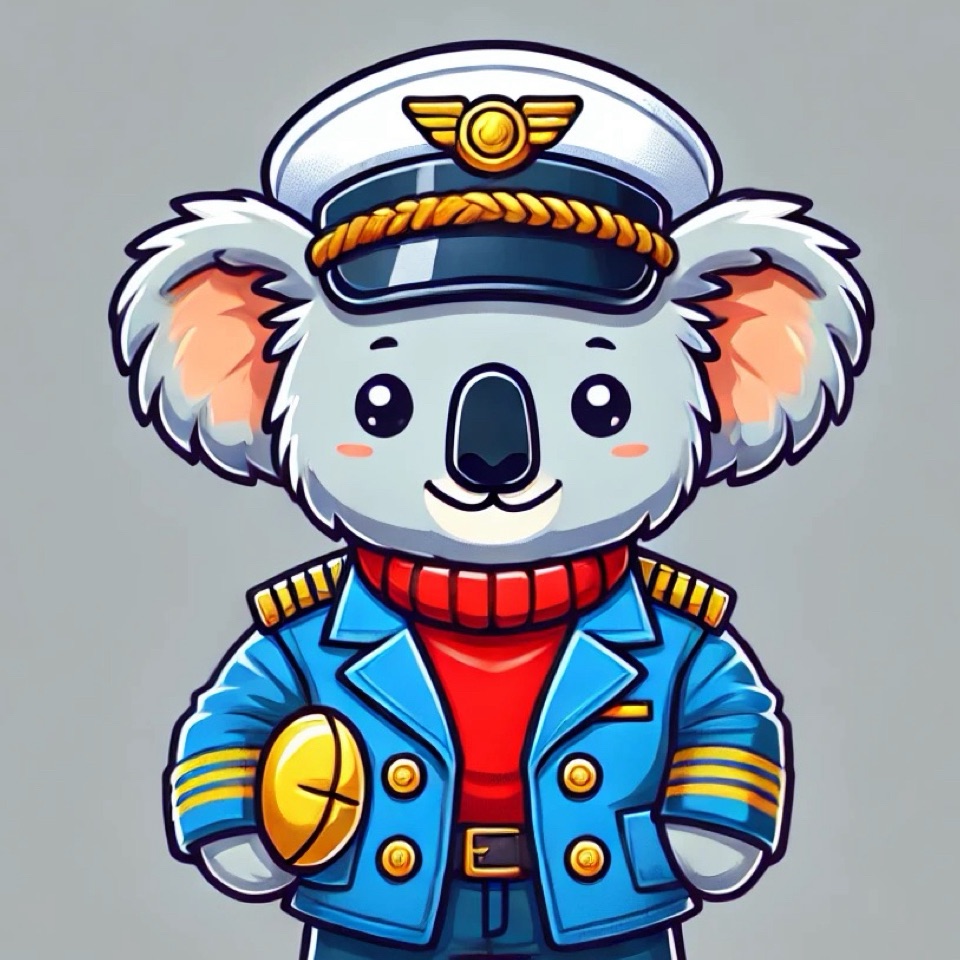
The idea for Captain Pillowbelly came to life during a family camping trip in Australia, when we visited the Margaret River region. We had forgotten to pack bedtime books for our two young daughters, and so we found ourselves making up stories from scratch to keep the bedtime routine going. After seeing a cuddly koala earlier that day, we decided to center the story on a koala character who loved adventures, naps, and food. And that’s how Captain Pillowbelly was born!
Over time, Captain Pillowbelly evolved into a character who travels the world, meeting new friends and experiencing different cultures. His gentle nature, curiosity, and love of naps make him relatable to young children. Our daughters loved him, and the stories quickly became a bedtime staple. Before we knew it, Captain Pillowbelly had grown from a fun family idea into a full-fledged children’s series.
2. Crafting Adventure-Filled Stories: Inspiration From Our Own Travels
One of the driving forces behind Captain Pillowbelly’s adventures is our own love of travel. As a family, we’ve been fortunate enough to visit many places around the world, including living in Singapore and taking international trips to Europe to visit family and friends. These real-life experiences have inspired many of the destinations in Captain Pillowbelly’s stories.
We wanted the stories to be both fun and educational, introducing children to new places, cultures, and foods through Captain Pillowbelly’s adventures. Whether it’s snorkeling in Mauritius, standing in front of the Leaning Tower of Pisa, or eating sushi in Japan, every adventure is designed to spark curiosity about the world.
Each story balances humor and excitement, keeping the tone lighthearted while teaching children about the different cultures Captain Pillowbelly encounters. We aim to make the world feel accessible and exciting to young readers, encouraging them to explore new things—just like Captain Pillowbelly does.
3. Character Development: Creating a Relatable Hero
The heart of any good children’s story is a character that kids can relate to and love. With Captain Pillowbelly, we wanted to create a character who was both endearing and adventurous. His personality traits are simple, yet they resonate with young readers—he’s always hungry, loves to nap, and is eager to try new things. He also has a caring nature, making friends everywhere he goes.
What makes Captain Pillowbelly particularly special is how he reflects qualities young children can identify with. Many kids love naps (even if they don’t always want to admit it!), and the koala’s love for snacks and curiosity about the world matches the way kids often approach life—with wonder and excitement. His gentle approach to adventure also makes him a safe and comforting figure for children as they drift off to sleep.
4. Weaving Lessons Into Every Story
While the primary goal of the Captain Pillowbelly stories is to entertain, we also aim to include subtle lessons in each tale. Whether it’s teaching kindness, curiosity, or courage, these stories are designed to help children learn important values in a way that feels organic and not forced.
For example, in one of Captain Pillowbelly’s adventures, he learns about the importance of patience while waiting to try a local dish. In another, he teaches children about respecting different cultures and appreciating the differences that make the world beautiful.
By weaving these lessons into Captain Pillowbelly’s adventures, we hope to create stories that are not only fun to read but also help children develop a positive outlook on life.
5. Bringing the Stories to Life With Illustrations
The illustrations are a key part of what makes the Captain Pillowbelly stories come alive for young readers. Children’s books are highly visual, and we knew from the start that we wanted the images to complement the whimsical, adventurous nature of the stories.
Each story has a unique setting, and we work closely with illustrators to ensure that the images capture both the essence of Captain Pillowbelly’s character and the destination he’s exploring. The images are bright, playful, and designed to ignite children’s imaginations as they follow the story.
Illustrating a character like Captain Pillowbelly was especially fun because of his gentle, cuddly appearance. His trademark blue jacket, gold stripes, and cozy yellow pillow tucked under his jacket make him instantly recognizable and endearing. Our children have played a big role in giving feedback on the illustrations, which helps ensure that the visuals resonate with our target audience.
6. Tips for Aspiring Children’s Authors
If you’re thinking about writing children’s books or bedtime stories, here are a few tips we’ve learned along the way:
- Keep it simple: Children’s attention spans are short, so keep the story simple and focused. Each story should have a clear beginning, middle, and end, with language that’s easy for kids to understand.
- Create relatable characters: Kids love characters that reflect their own experiences or feelings. Whether it’s a love for snacks, a desire for adventure, or a need for naps, make your characters relatable and fun.
- Weave in a lesson: While your story should focus on entertainment, incorporating subtle lessons can add depth and value. Whether it’s teaching kindness, patience, or courage, find ways to gently introduce positive messages.
- Don’t forget the visuals: In children’s books, the illustrations are just as important as the words. Work closely with your illustrator to ensure the visuals capture the tone of the story and engage young readers.
- Test your stories with kids: Get feedback from children, whether it’s your own or from family and friends. Kids have a unique perspective, and their input can help you fine-tune the story to make it even better.
Final Thoughts: The Joy of Creating for Kids
The journey of creating Captain Pillowbelly has been filled with excitement, creativity, and lots of learning. Writing bedtime stories for children is a rewarding experience that allows us to not only entertain but also share valuable lessons and encourage curiosity about the world. We’re thrilled to share Captain Pillowbelly’s adventures with young readers and families, and we hope the stories spark the same sense of joy and wonder that inspired us to create them.
If you’re an aspiring children’s author, our best advice is to embrace the magic of storytelling, stay true to your character’s voice, and always remember the joy that these stories bring to kids. It’s a journey worth taking!

 Captain Pillowbelly's Adventures