
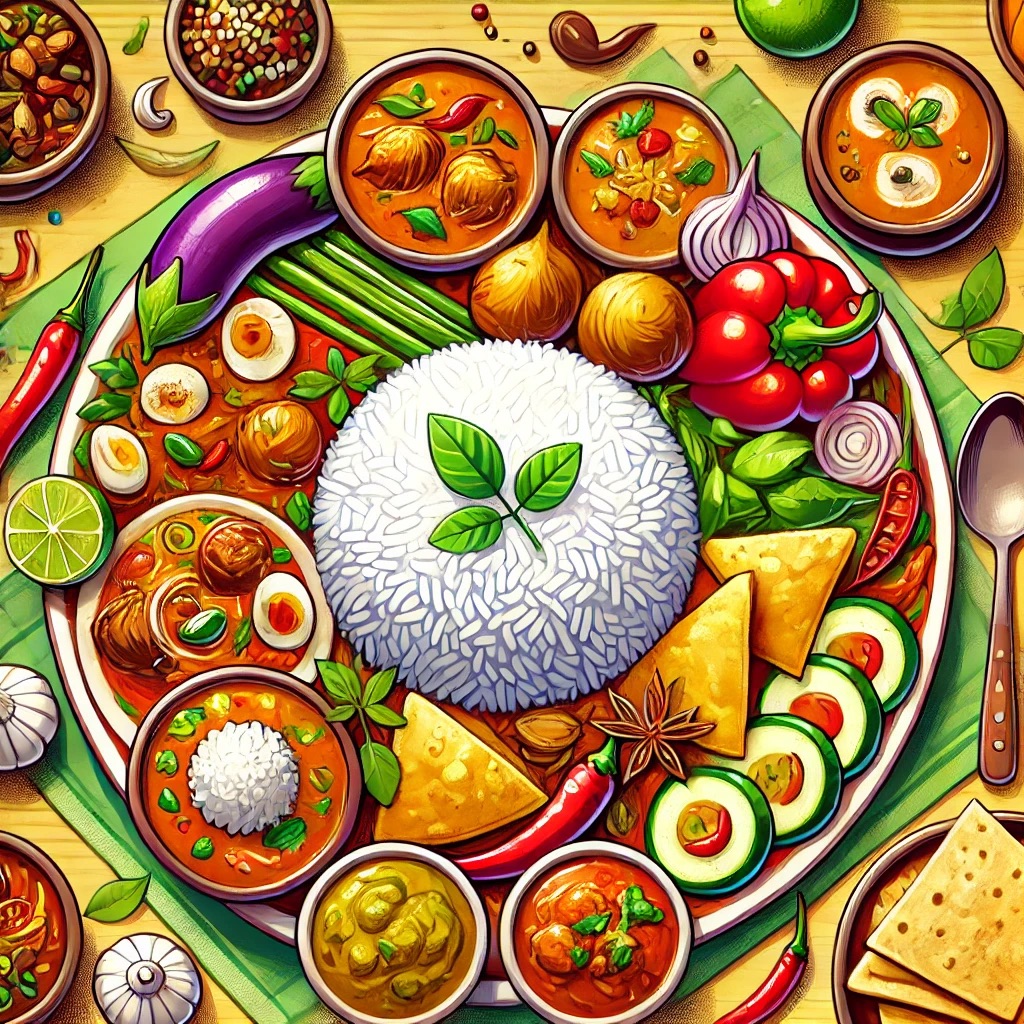
One of the greatest joys of traveling is the chance to explore new cultures through food. Local cuisine offers a window into the history, traditions, and flavors of a place, and it can be one of the most memorable parts of any trip. But when you’re traveling with young children, introducing them to new and unfamiliar foods can be a bit of a challenge.
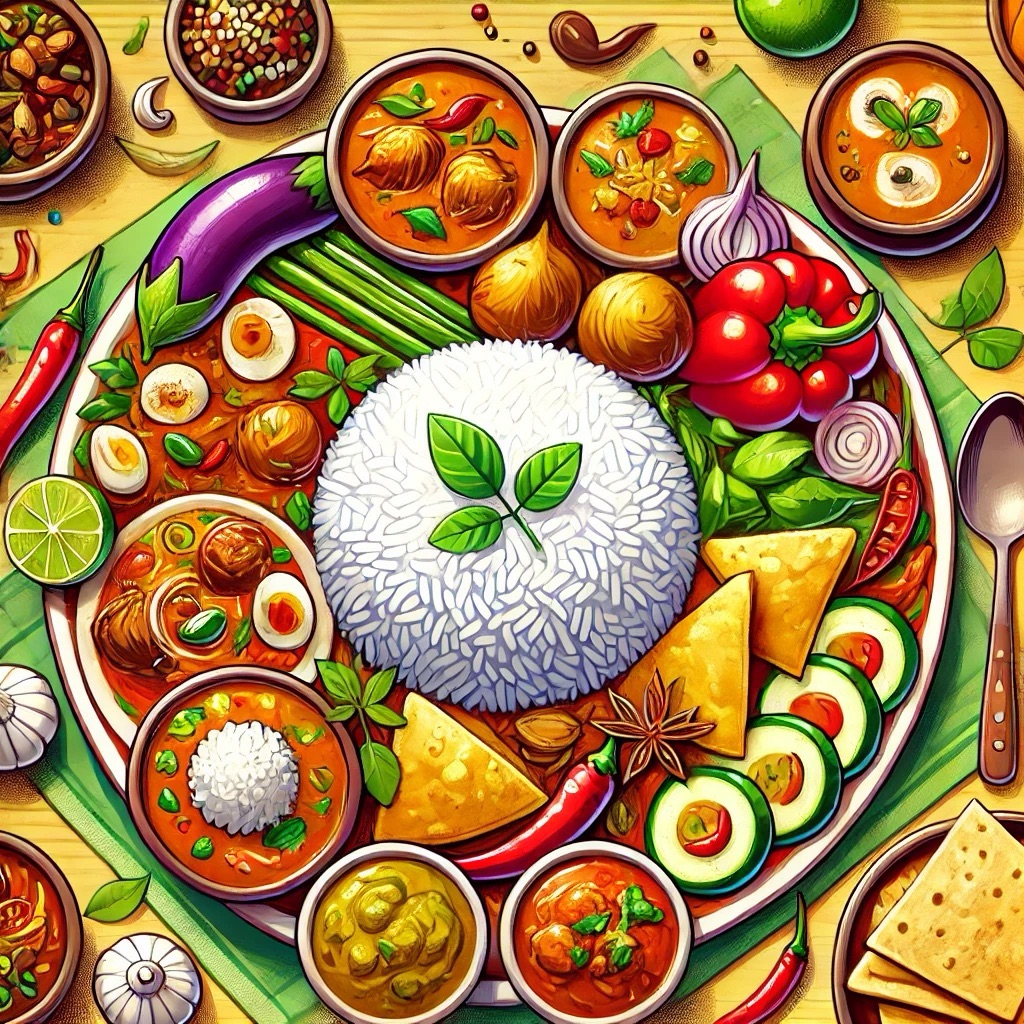
Children, especially younger ones, can be hesitant to try new things—particularly when spices or unfamiliar ingredients are involved. While it’s tempting to stick to familiar foods or reach for easy, kid-friendly options, traveling provides a wonderful opportunity to encourage your kids to expand their palate and develop a healthy curiosity about different foods.
Here are a few tips for getting your children excited about trying new things, while also ensuring that their diet remains balanced and healthy during your travels.
1. Start Small and Familiar
When introducing young children to new foods, especially in a different country, start by choosing dishes that include ingredients they already like. If your child loves rice or noodles, try introducing a local dish that features those ingredients but with a new twist. For example, if you’re traveling in Thailand, Pad Thai might be a great choice because the base ingredients—noodles and chicken—are likely familiar, even if the flavors are different.
By offering a familiar base with just one or two new elements, you can ease them into the idea of trying something new without overwhelming them with completely unfamiliar flavors.
2. Make Trying New Foods Fun
Children are naturally curious, and turning food exploration into a fun activity can help break down resistance to trying new things. One way to do this is to create a “food adventure” challenge. Let your child choose one new food or dish each day to try, turning it into a game where they get to explore local flavors. You can even give them a little “food passport” where they can earn stamps or stickers for each new dish they try.
Let them help pick out items from local markets or order off the menu (with your guidance, of course). Giving them a sense of control and involvement in the process can reduce anxiety around new foods and help build excitement.
3. Introduce Spices Slowly
One of the biggest hurdles when it comes to trying local cuisine is spices. Young children’s taste buds are sensitive, and spicy foods can often be too intense for them. If you’re traveling in a country where spices are a big part of the local cuisine—like India or Mexico—don’t shy away from those flavors entirely. Instead, introduce them gradually.
Start with milder dishes or ask for spice levels to be toned down. Many restaurants in tourist areas are used to accommodating families and will be happy to make dishes less spicy for kids. If you’re at a market or street vendor, try small bites of different foods and see what your child enjoys.
A good tip is to bring along some familiar snacks that your kids already like in case the meal turns out to be a bit too spicy. This way, they have something to fall back on without feeling overwhelmed.
4. Share the Story Behind the Food
Many traditional dishes have a story behind them, and sharing these stories can make the meal more exciting for children. Whether it’s learning that pizza was invented in Italy or that couscous is a staple in Morocco, connecting the food to its cultural background helps children feel like they are part of an adventure.
If you’re at a restaurant, ask the waiter or chef about the dish’s history and share it with your child. You can also do some research together before your trip and talk about the foods you’ll be eating, turning it into a learning experience that ties travel, history, and food together.
5. Encourage a Balanced Diet with Local Produce
While traveling, it’s easy to get caught up in the excitement of new and often indulgent foods. However, it’s important to ensure your children maintain a balanced diet with plenty of fruits and vegetables. Luckily, local markets are a great place to explore the vibrant, fresh produce of the region.
When traveling, visit local markets with your kids and let them choose fruits and vegetables they’ve never seen before. This gives them a sense of ownership over their diet and makes them more likely to try something new. Tropical destinations often have exotic fruits that children love, like dragon fruit, mango, or guava, which can be fun and healthy options.
Introducing a variety of fresh, local produce can also show your children that healthy foods can be just as delicious and exciting as any other part of the meal.
6. Be a Role Model
Children often take their cues from their parents. If you’re adventurous with your food choices and show excitement about trying new things, your children are more likely to follow your lead. Talk openly about the flavors and textures you’re experiencing and invite them to taste what you’re having.
If you’re hesitant or overly cautious about trying local foods, your children might pick up on that and become more reluctant. Set a positive example by showing that trying new foods is part of the fun of traveling.
7. Have Some Patience and Flexibility
It’s important to remember that not every meal will be a success, and that’s okay! Sometimes, children might try a dish and simply not like it. Don’t force them to finish a meal they’re uncomfortable with, as this can create a negative association with trying new foods. Instead, praise their willingness to try, and encourage them to give something else a go next time.
If your child is feeling homesick or overwhelmed by new foods, don’t hesitate to give them a break with something more familiar. Most destinations have a mix of local and international food options, so there’s nothing wrong with letting them enjoy a favorite comfort meal every now and then.
8. Create a Family Food Journal
Another way to make food exploration more engaging is to create a family food journal during your travels. In this journal, encourage your children to document the different foods they’ve tried, draw pictures of the dishes, and even give ratings for their favorites. It’s a fun way to keep track of all the new experiences and can make for a wonderful keepsake of the trip.
By making it a family project, children will feel more involved and excited about trying new foods, knowing that they get to add their latest food adventure to the journal.
Final Thoughts: A Culinary Adventure Awaits
Introducing young children to local cuisine while traveling can sometimes be tricky, but with a bit of creativity and patience, it can become one of the most rewarding parts of your journey. By involving your kids in the process, keeping the experience fun, and balancing new flavors with familiar ones, you’ll help them develop a healthy curiosity about food that could last a lifetime.
Traveling offers an incredible opportunity to teach children not just about new places, but also about the importance of diversity in what we eat. So, next time you’re on the road, embrace the local food scene and enjoy the culinary adventure with your little ones!
Happy eating and safe travels!

 Captain Pillowbelly's Adventures