
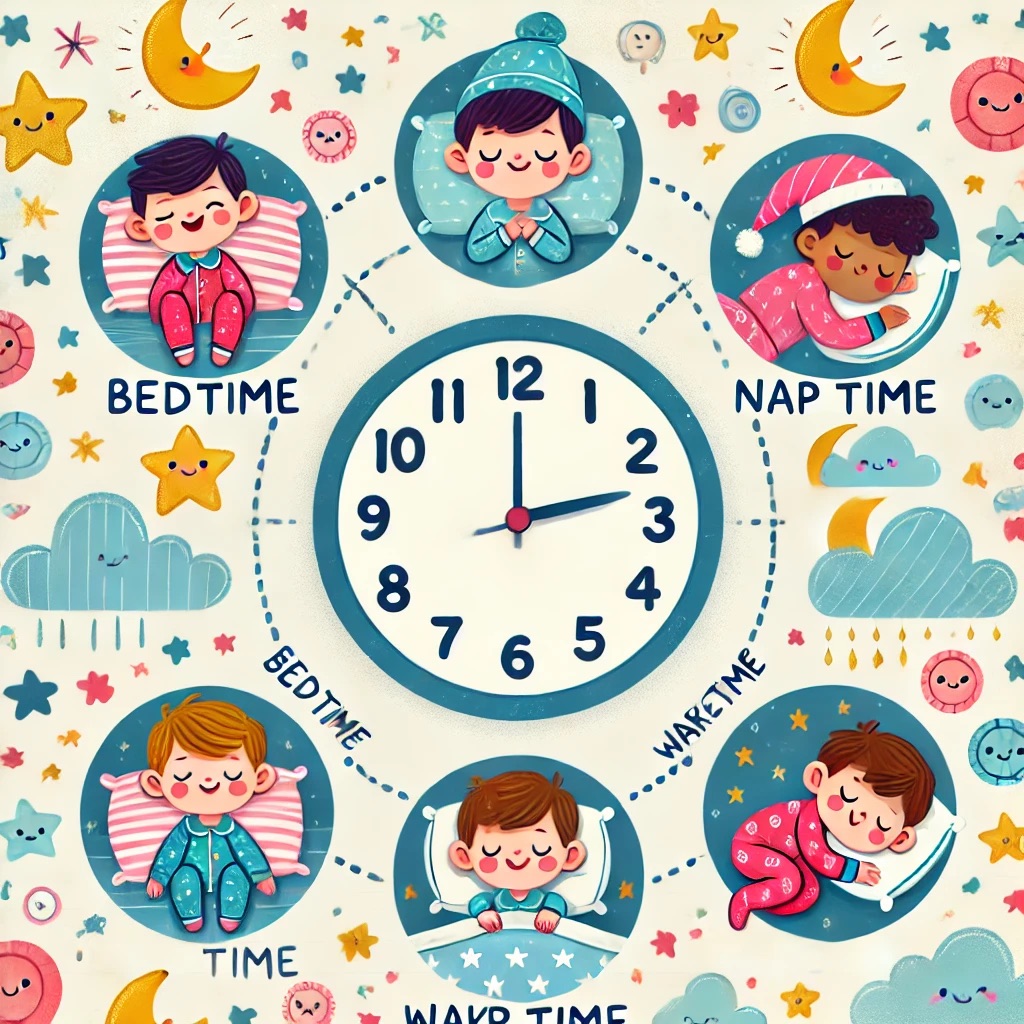
As any parent of young children knows, a consistent sleep schedule is one of the most important parts of ensuring that little ones are happy, healthy, and well-rested. When children have a predictable routine, they tend to fall asleep easier, sleep more soundly, and wake up ready for the day’s adventures. However, traveling can throw even the best sleep schedules out of balance, leading to overtired, cranky children—and stressed-out parents.
If you’re planning a trip with young kids, you might be worried about how to maintain their sleep routine in the midst of time zone changes, long flights, and new surroundings. Don’t worry! With a little planning and flexibility, you can help your children get the rest they need while still enjoying your travels. Here’s why maintaining sleep schedules is so important and what you can do to keep your little ones rested on the road.
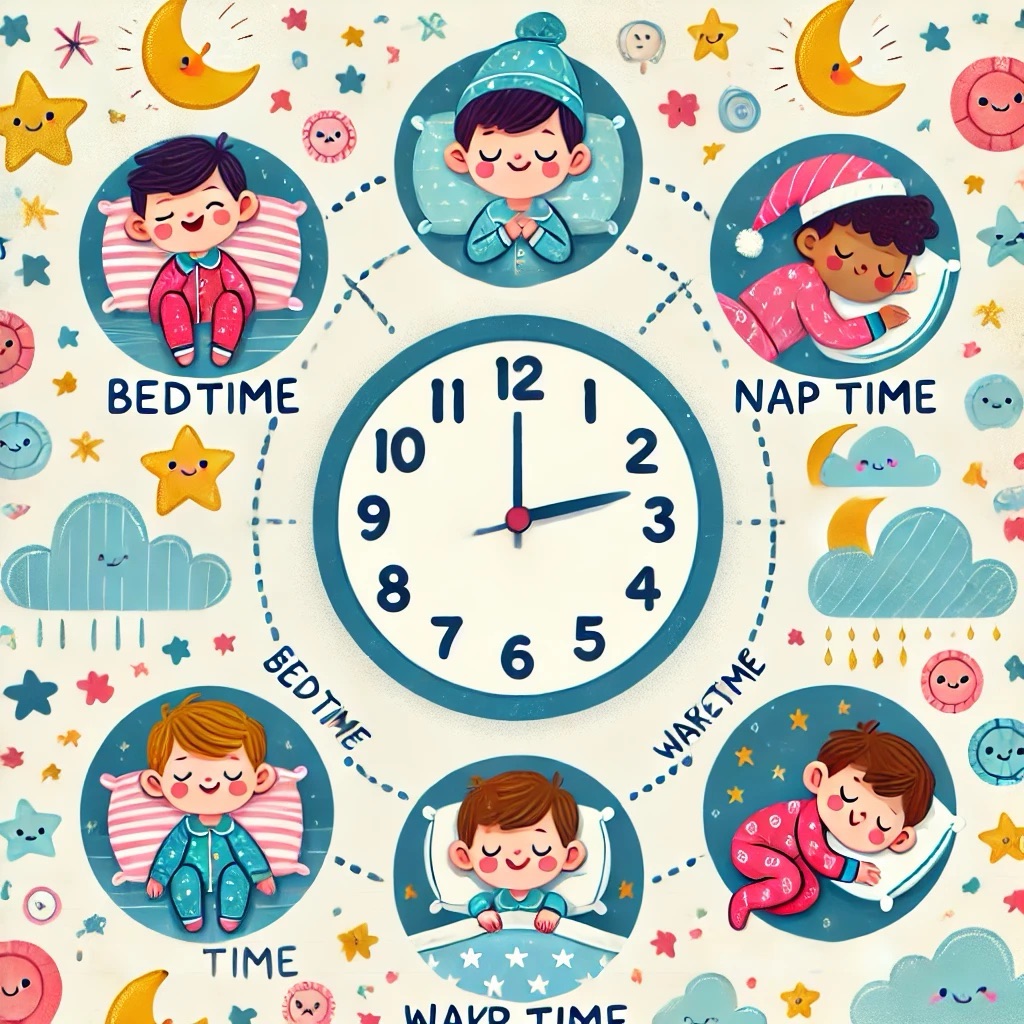
Why Sleep Schedules Matter
For young children, sleep is essential for growth, brain development, and overall well-being. Sleep schedules help set their internal clock, or circadian rhythm, which regulates sleep-wake cycles. When kids go to bed and wake up at consistent times, their bodies naturally adjust, making it easier for them to fall asleep and stay asleep.
Without a consistent sleep routine, children can become overtired, leading to meltdowns, mood swings, and difficulties concentrating. Even more importantly, not getting enough sleep can affect their immune system and make them more susceptible to illness—something no parent wants to deal with while traveling.
The Challenge of Traveling with Young Children
Traveling can present unique challenges to your child’s sleep schedule. Time zone differences, long flights, new environments, and excitement over the day’s activities can all interfere with their ability to get the sleep they need. Whether you’re traveling across the country or halfway around the world, disruptions are bound to happen.
The good news is that with a few simple strategies, you can minimize these disruptions and help your children stay well-rested, even while exploring new places. Here’s how.
Tips for Maintaining Sleep Schedules While Traveling
1. Stick to Your Bedtime Routine as Much as Possible
Children find comfort in familiarity, especially when it comes to sleep. Wherever you’re staying—whether in a hotel, rental home, or a relative’s house—try to replicate your bedtime routine as closely as possible. If your child is used to a bath, a bedtime story, and cuddling with a favorite stuffed animal, make sure you bring those elements with you.
Even if you’re in a different time zone, starting the bedtime routine with familiar activities can signal to your child that it’s time to wind down for sleep.
2. Adjust to the New Time Zone Gradually
If you’re traveling across time zones, try adjusting your child’s sleep schedule before you leave. Start shifting bedtime and wake-up time by 15-30 minutes earlier or later each day, depending on the direction of travel. This gradual adjustment can make the transition easier once you arrive at your destination.
Once you’re there, try to follow the local time for meals and sleep. Exposing your child to natural light during the day and keeping them active can also help reset their internal clock and adapt to the new schedule.
3. Plan Travel Around Nap Times
If your child still takes naps, plan your travel schedule with naps in mind. For long flights, try to book flights that align with your child’s nap time or bedtime, making it easier for them to sleep on the plane. If you’re driving, plan to hit the road during their usual nap time so they can sleep in the car.
Once you arrive at your destination, make time for naps in your daily schedule. While it’s tempting to pack in as many activities as possible, keeping naps consistent will help prevent overtiredness and meltdowns later in the day.
4. Create a Sleep-Friendly Environment
Children can find it hard to sleep in an unfamiliar place, but you can make their environment more sleep-friendly. Bring along a portable white noise machine or a favorite lullaby playlist to block out unfamiliar noises. Make sure the room is dark enough—blackout curtains or a travel blackout shade can be a lifesaver in bright hotel rooms.
If your child is used to sleeping with a special blanket, pillow, or stuffed animal, make sure you pack it. Familiar smells, textures, and sounds can provide a sense of security and help your child settle more easily.
5. Be Flexible and Follow Your Child’s Cues
Travel is unpredictable, and sometimes, despite your best efforts, your child’s sleep schedule may be disrupted. That’s okay! The key is to be flexible and follow your child’s cues. If they seem especially tired, allow for an earlier bedtime or a longer nap. If they seem wide awake, try doing something low-key, like reading a book, to help them relax.
Remember, it may take a few days for your child to fully adjust to the new environment or time zone. Try not to stress if their sleep isn’t perfect at first—things will usually even out after a few days.
6. Encourage Outdoor Play and Exposure to Natural Light
Getting outside and staying active during the day can make a big difference in how well your child sleeps at night. Natural light helps regulate your child’s circadian rhythm and reinforces the body’s natural sleep-wake cycle. Plan outdoor activities in the morning and early afternoon to help them burn off energy and make it easier to fall asleep at night.
7. Use Travel as a Teaching Moment
While keeping your child’s sleep schedule intact is important, travel is also an opportunity for flexibility and learning. Use the travel experience to help your child understand time zones, routines, and how people in different parts of the world manage sleep. Explain that they might feel tired at different times than they’re used to but that it’s all part of the adventure.
Teaching children how to adapt while still maintaining healthy habits is a valuable lesson they’ll carry with them for life.
Final Thoughts: Finding Balance
Traveling with young children can be both exhilarating and exhausting, especially when trying to maintain a sleep schedule. The key is to find a balance between keeping routines and being flexible enough to embrace the unpredictability of travel. By planning ahead and paying attention to your child’s needs, you can ensure they get the rest they need, while still making the most of your adventures together.
Remember, while sleep is important, so is creating lasting memories. Be patient with yourself and your child, and enjoy the journey—both the big moments and the small ones in between.
Happy travels, and sweet dreams!

 Captain Pillowbelly's Adventures